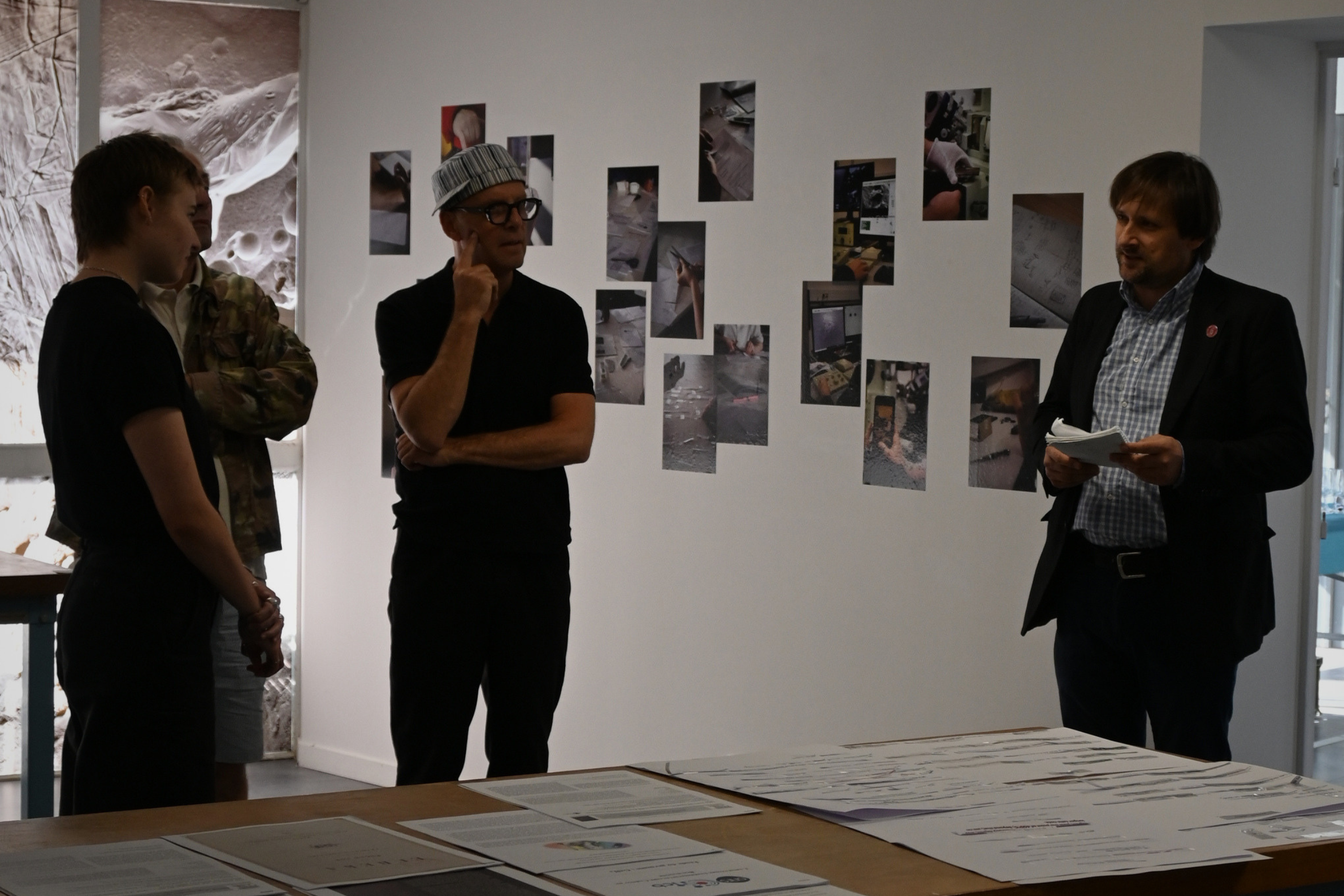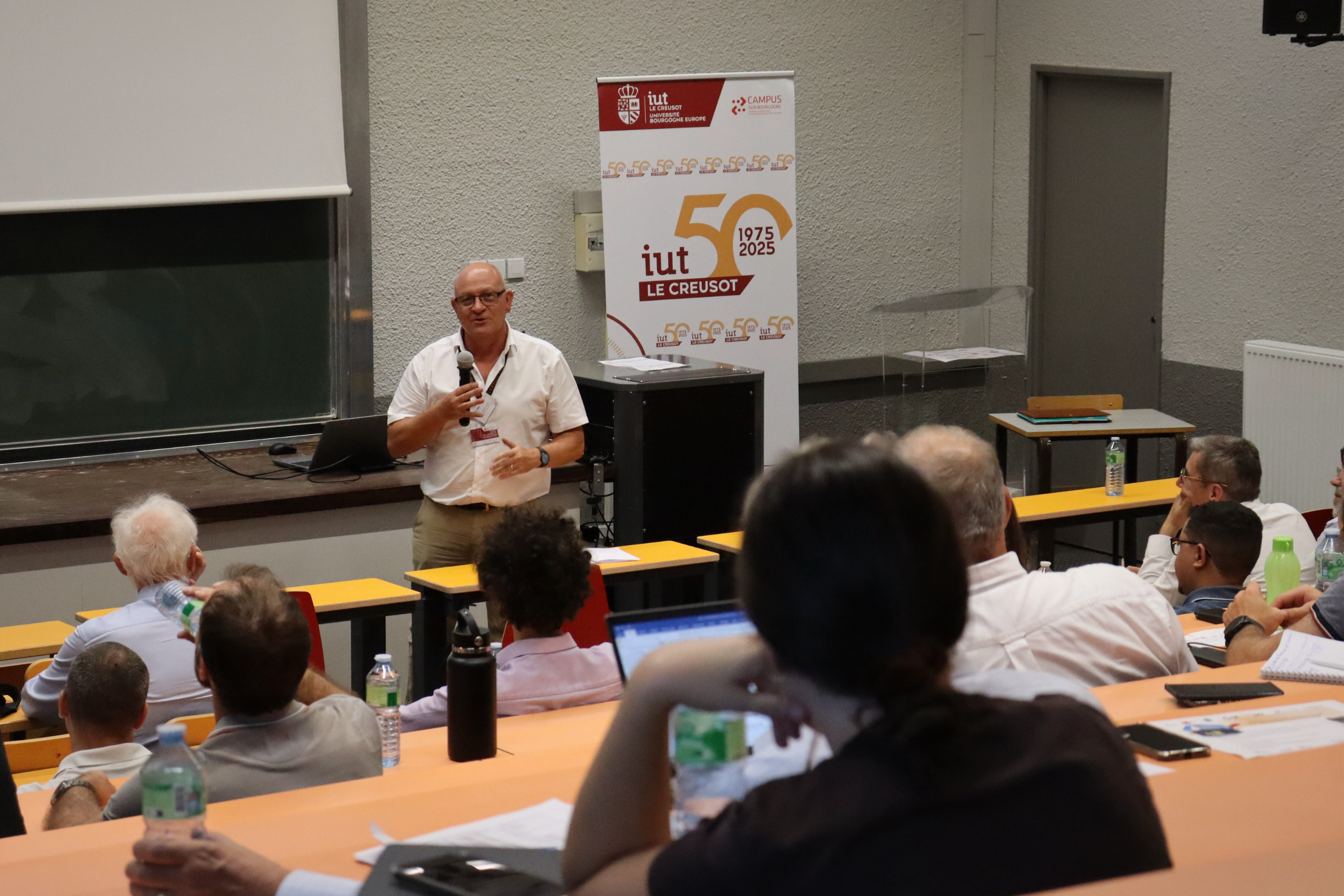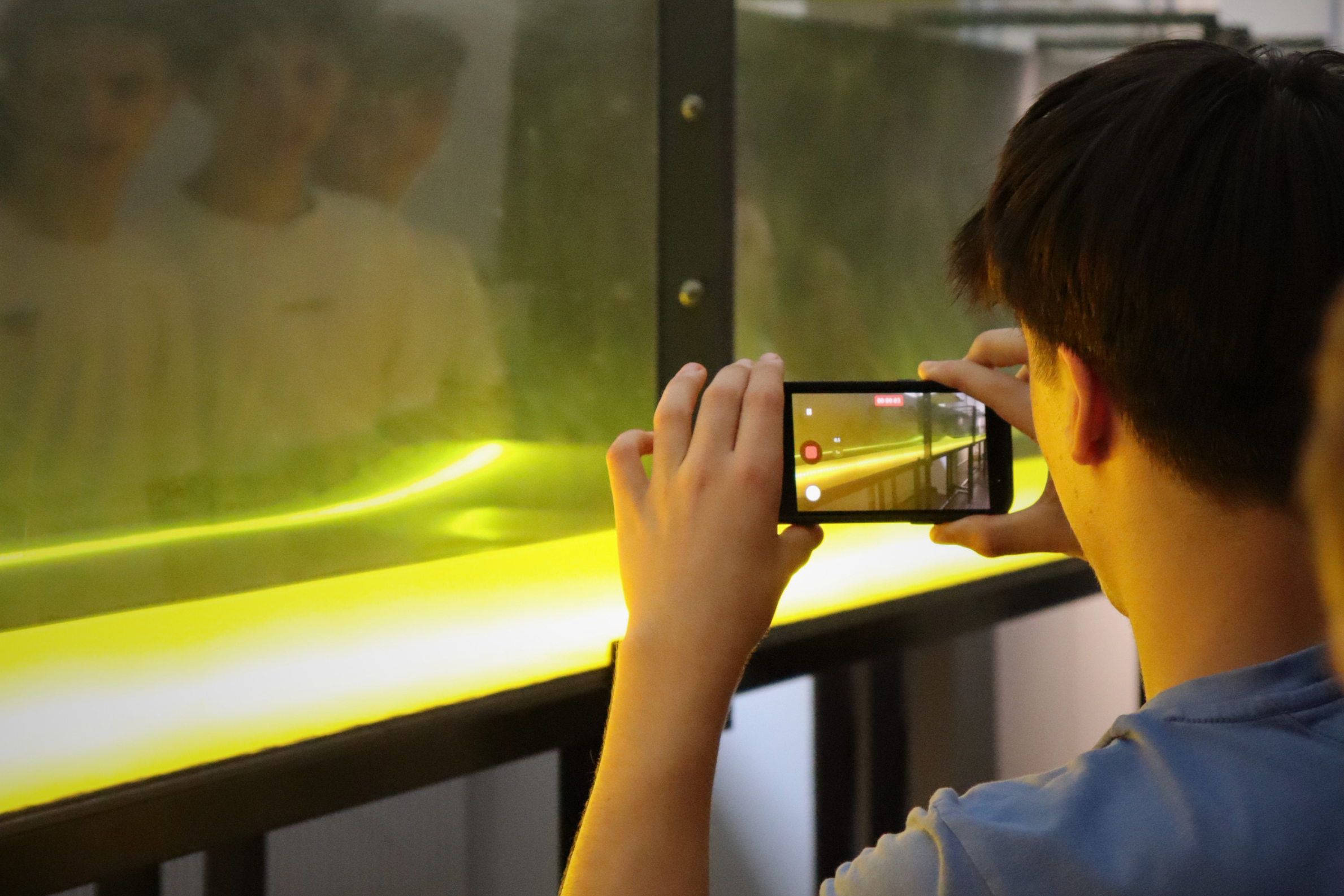

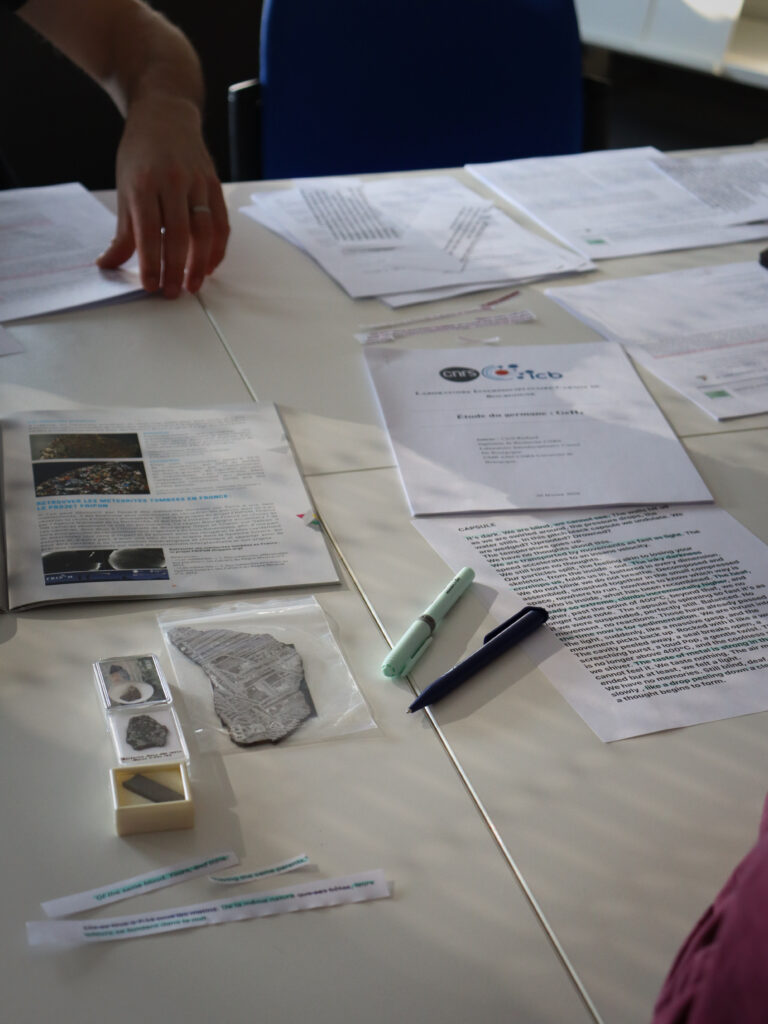
A month ago, the ICB laboratory had the pleasure of hosting the Franco-American artist Em de Korsak for a unique artistic residency. For several days, the artist explored our research spaces, interacted with scientists, and discovered some of the themes that drive our teams. At the heart of this immersion was a material as rare as it is fascinating: meteoric iron, derived from meteorites—fragments of objects formed at the dawn of the solar system and bearing a history spanning billions of years.
This encounter between cosmic matter, scientific approach, and artistic gesture has given rise to a genuine dialogue between two ways of observing and interpreting the world. On one side, researchers analyze the structure, properties, and history of these extraterrestrial materials; on the other, the artist appropriates their sensory, symbolic, and aesthetic dimension.
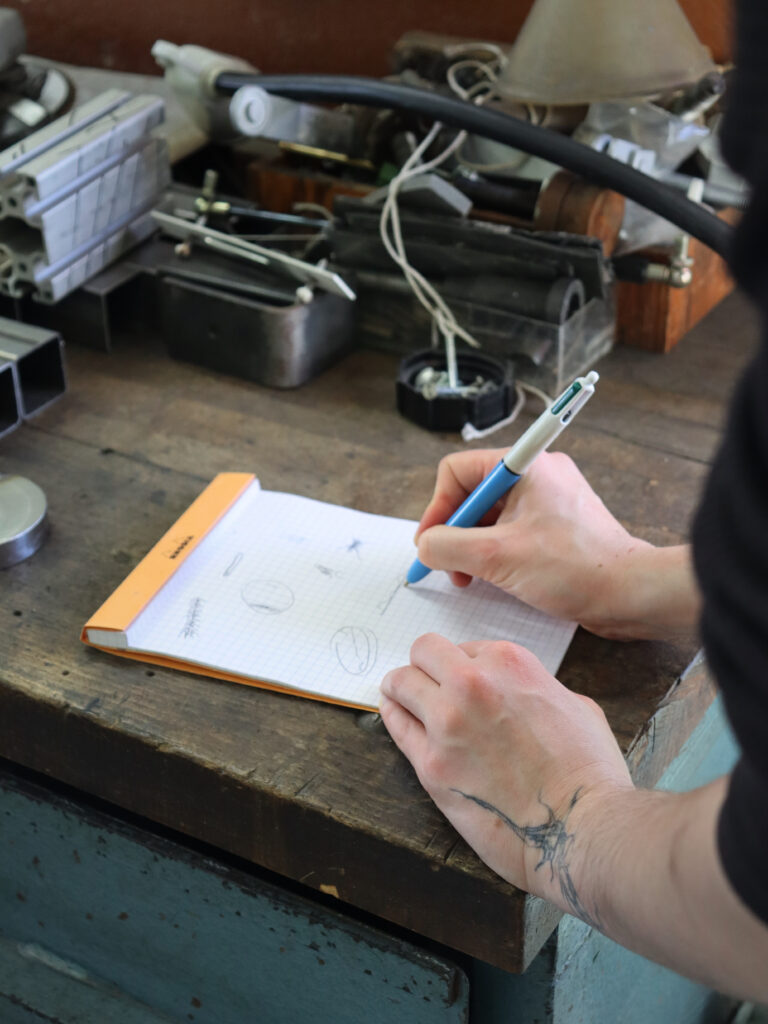

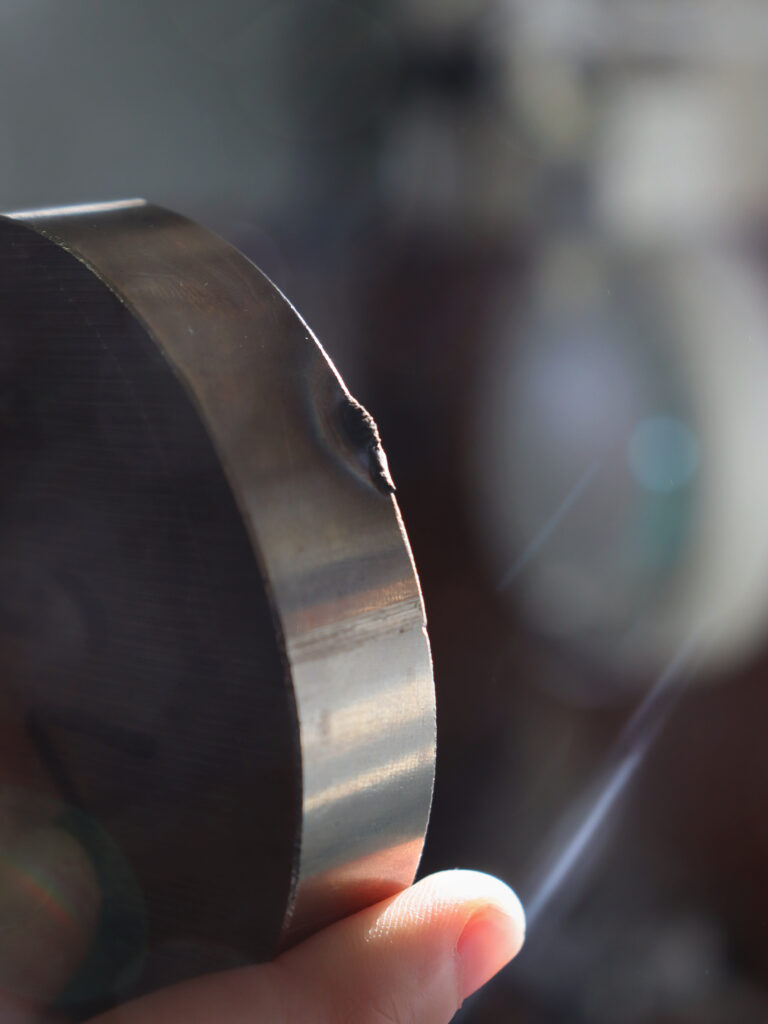
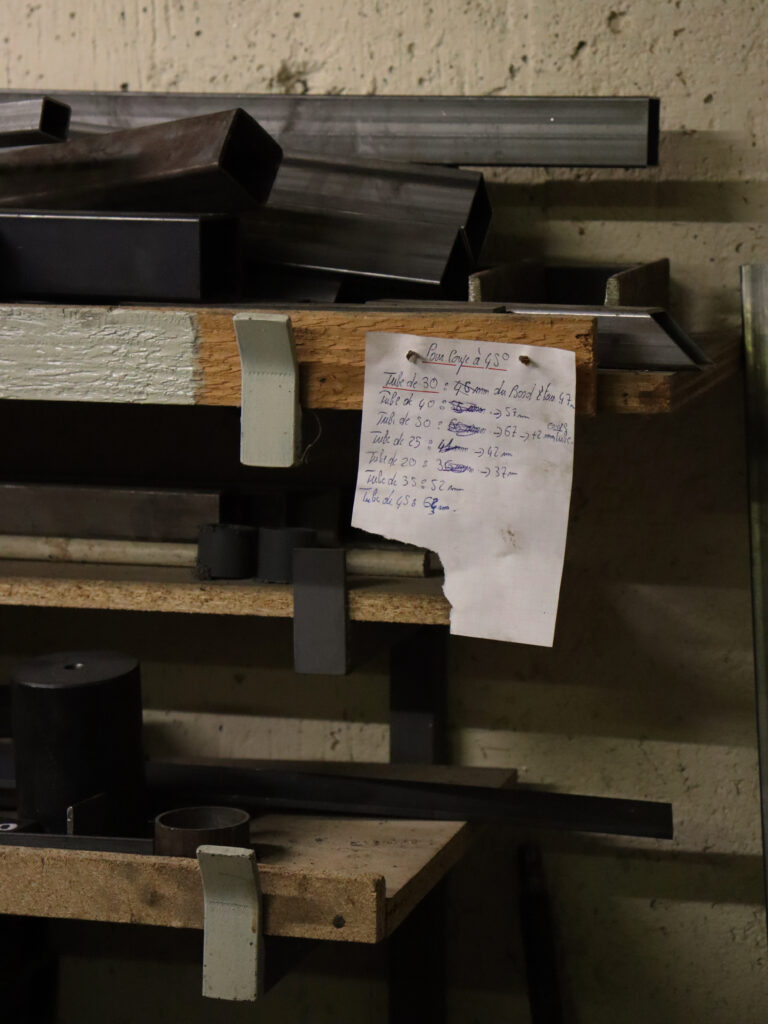
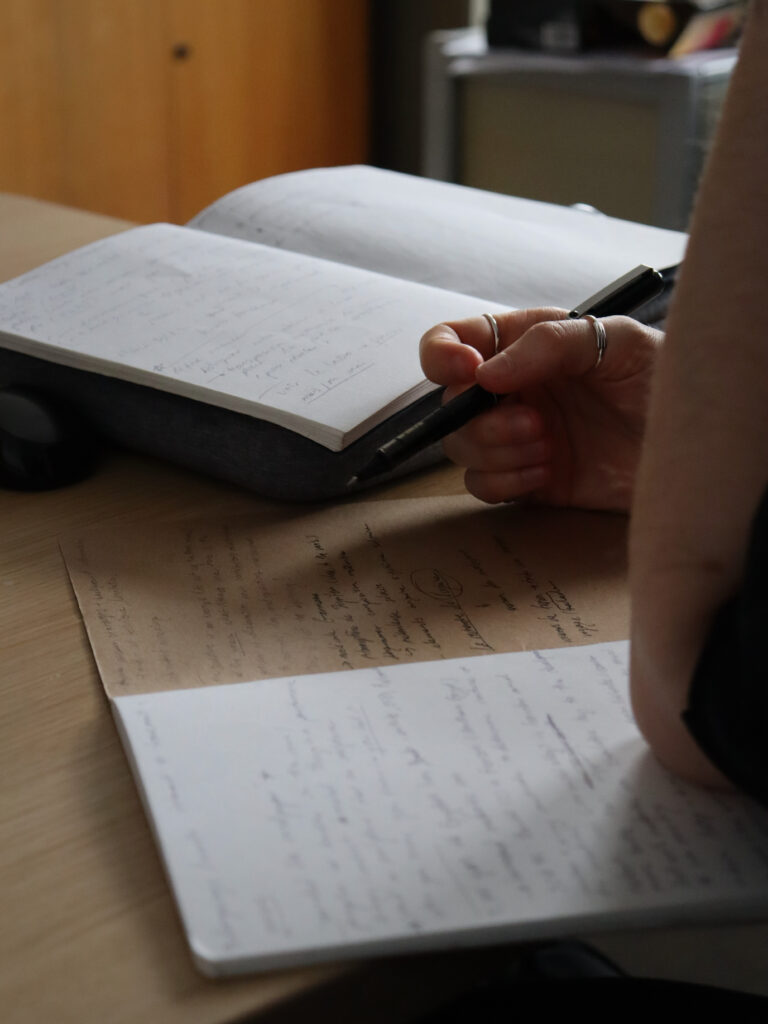

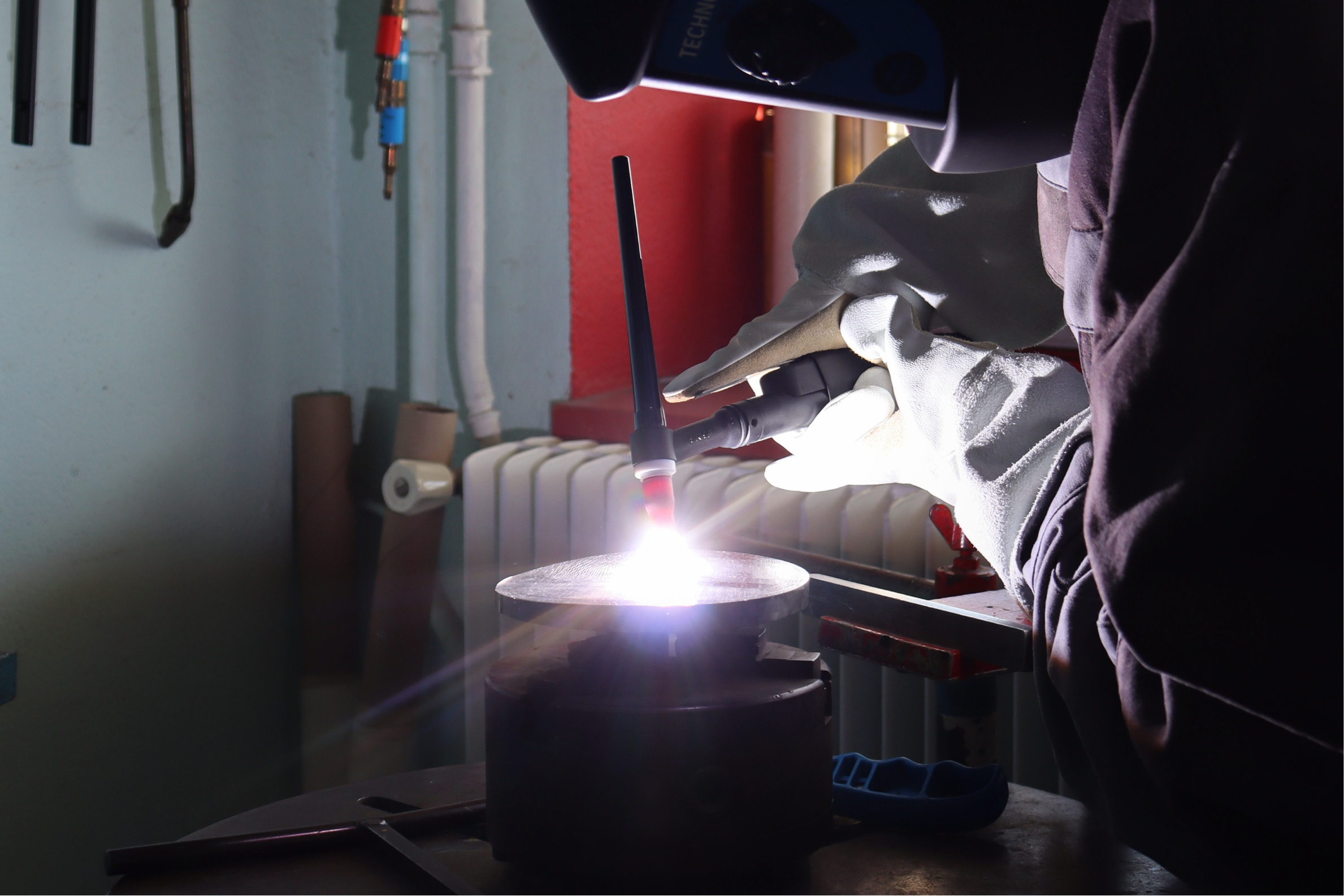
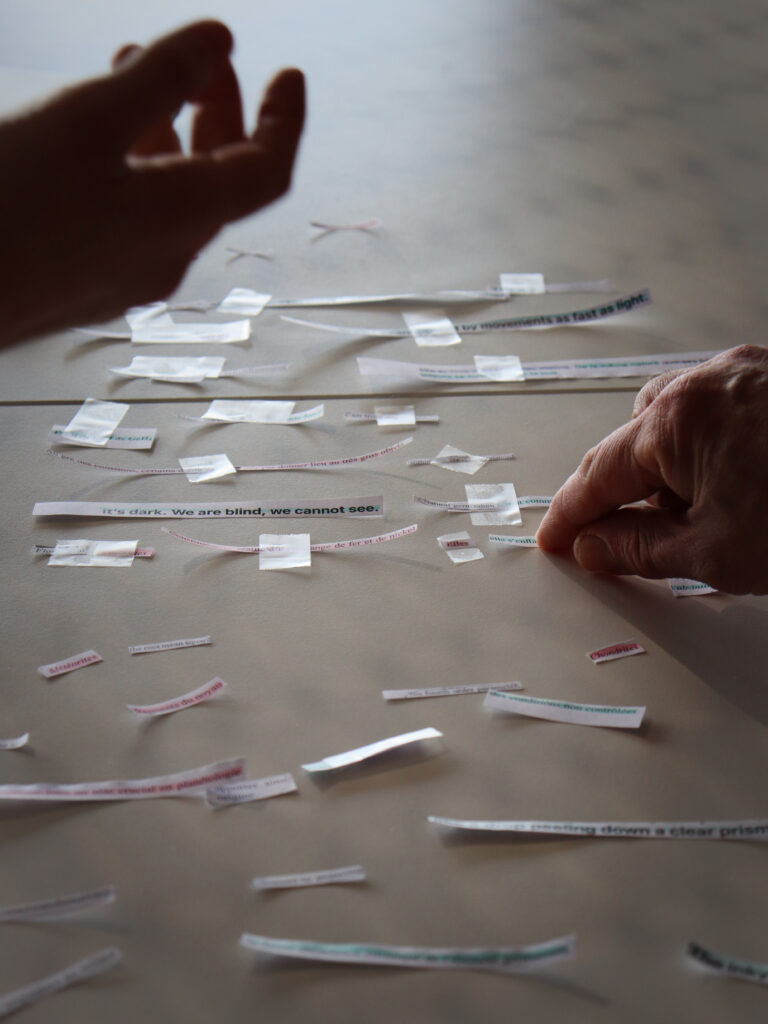
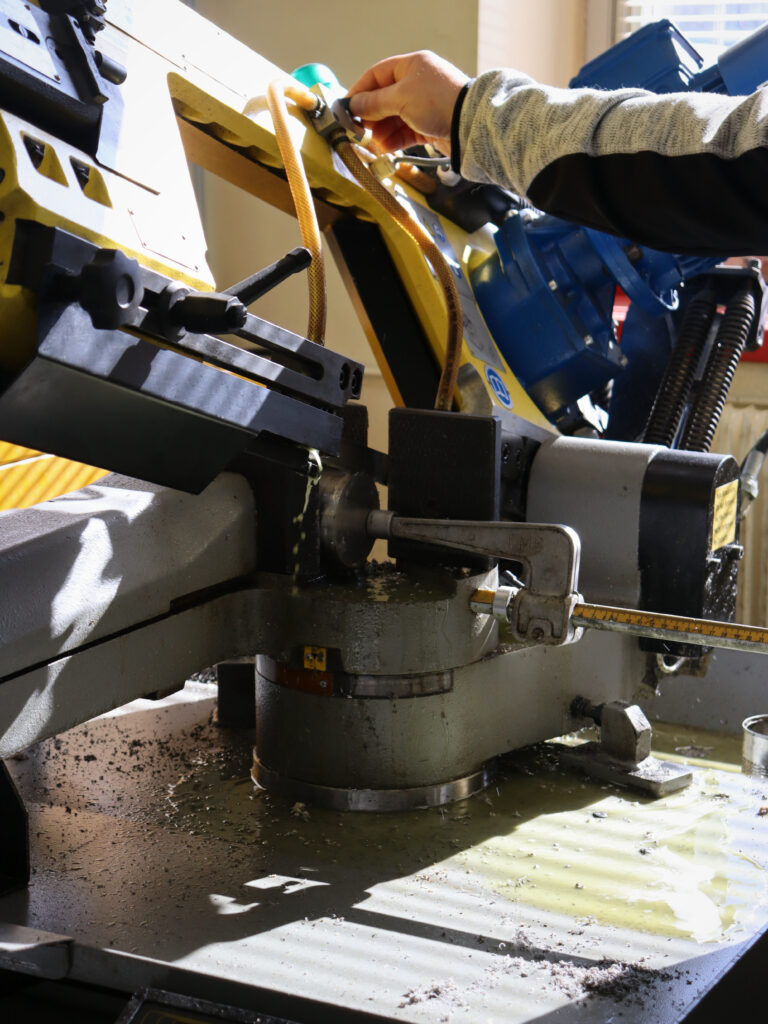
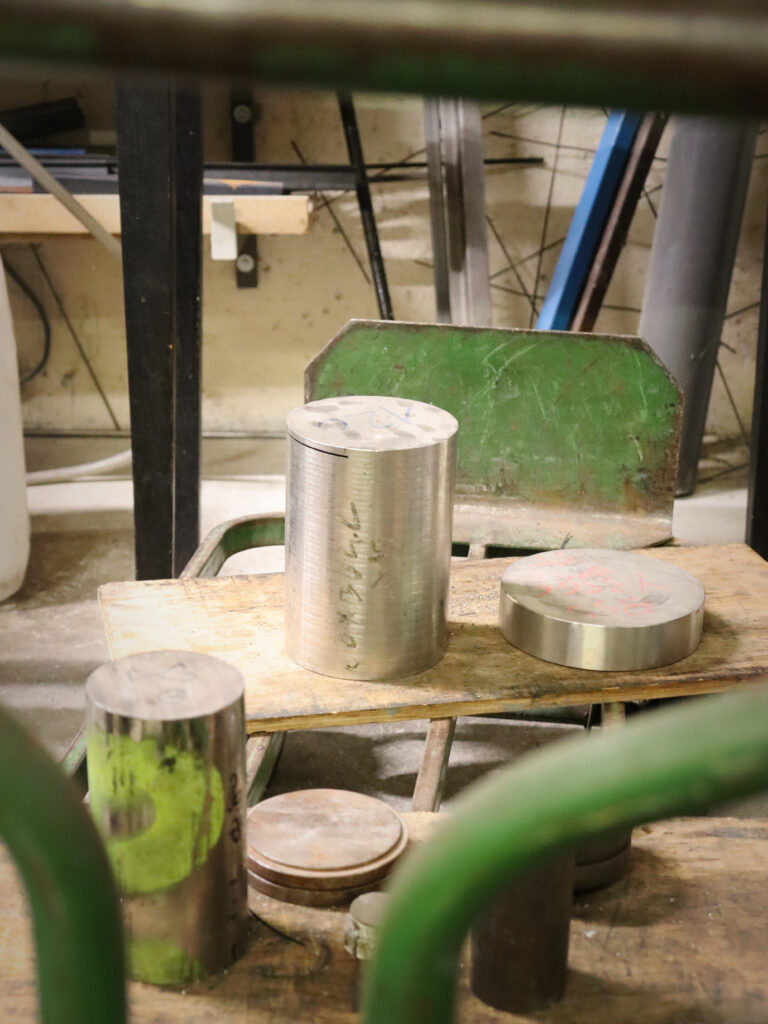
At the heart of this residency was a collaborative protocol conceived by the artist. Far more than a simple technical procedure, this protocol acts as a bridge between temporalities and scales. It connects ancient meteoritic iron, a witness to the formation of planetary bodies, to contemporary metallurgical techniques and current scientific tools used in the laboratory, such as scanning electron microscopy (SEM) and TIG welding. In this project, the protocol thus becomes both method and metaphor: it structures the creative process while making visible the alignment between the cosmic scale of matter and human temporality, between archaeometallurgy and contemporary materials research.
This collaboration resulted in a jointly created artwork, the fruit of this encounter between perspectives and disciplines. This creation illustrates how art and science can mutually enrich each other, offering new ways of perceiving matter and our relationship to the universe. This work will soon be presented to the public in an exhibition, before being featured at the next art-science symposium this fall.
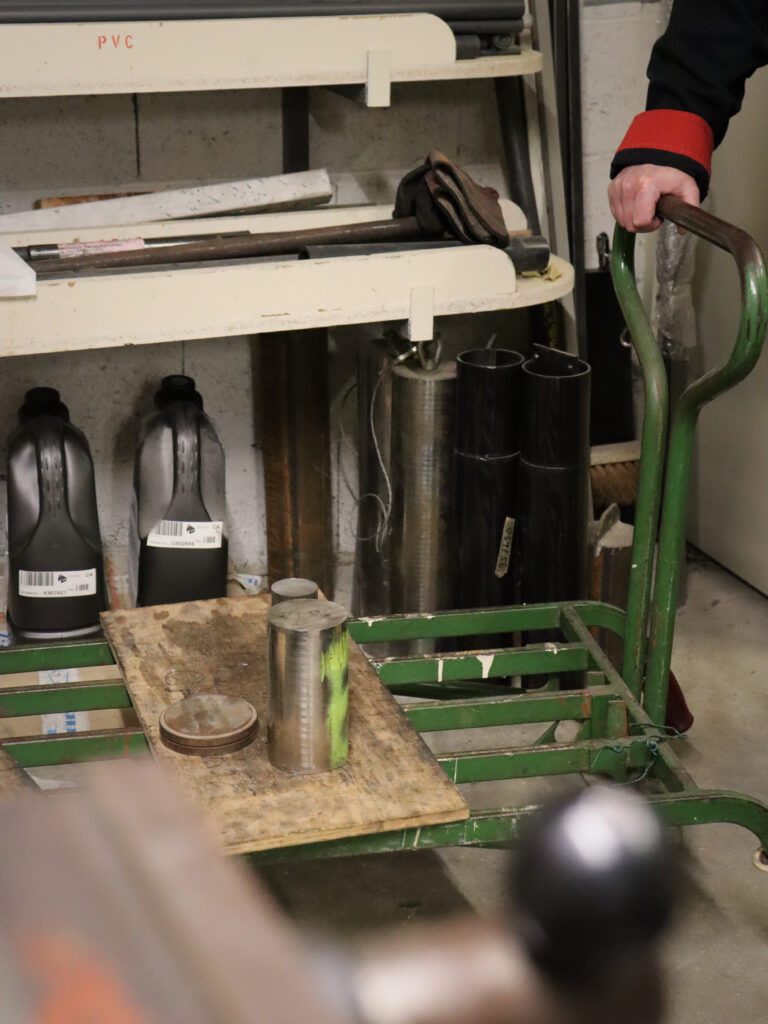
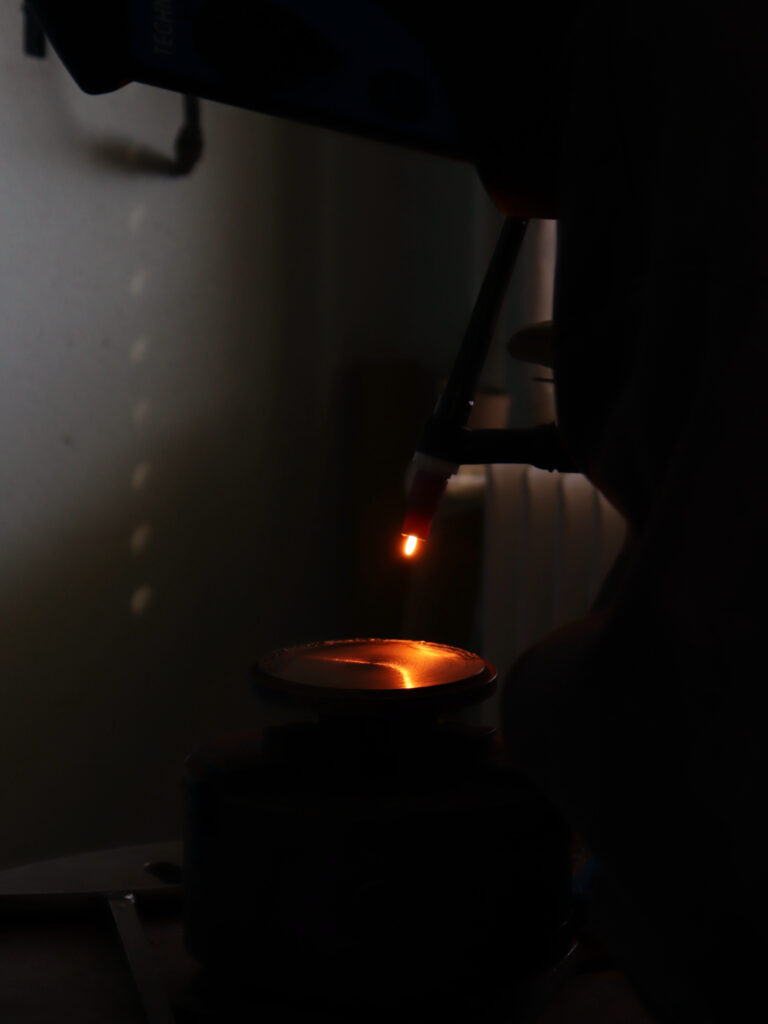
Thanks to our colleagues at the ARCEN-Carnot platform for their support and expertise, in particular to the Mechanical Resources Centre and the Micro/Nano Characterization Centre, who helped make this scientific and artistic exploration possible.