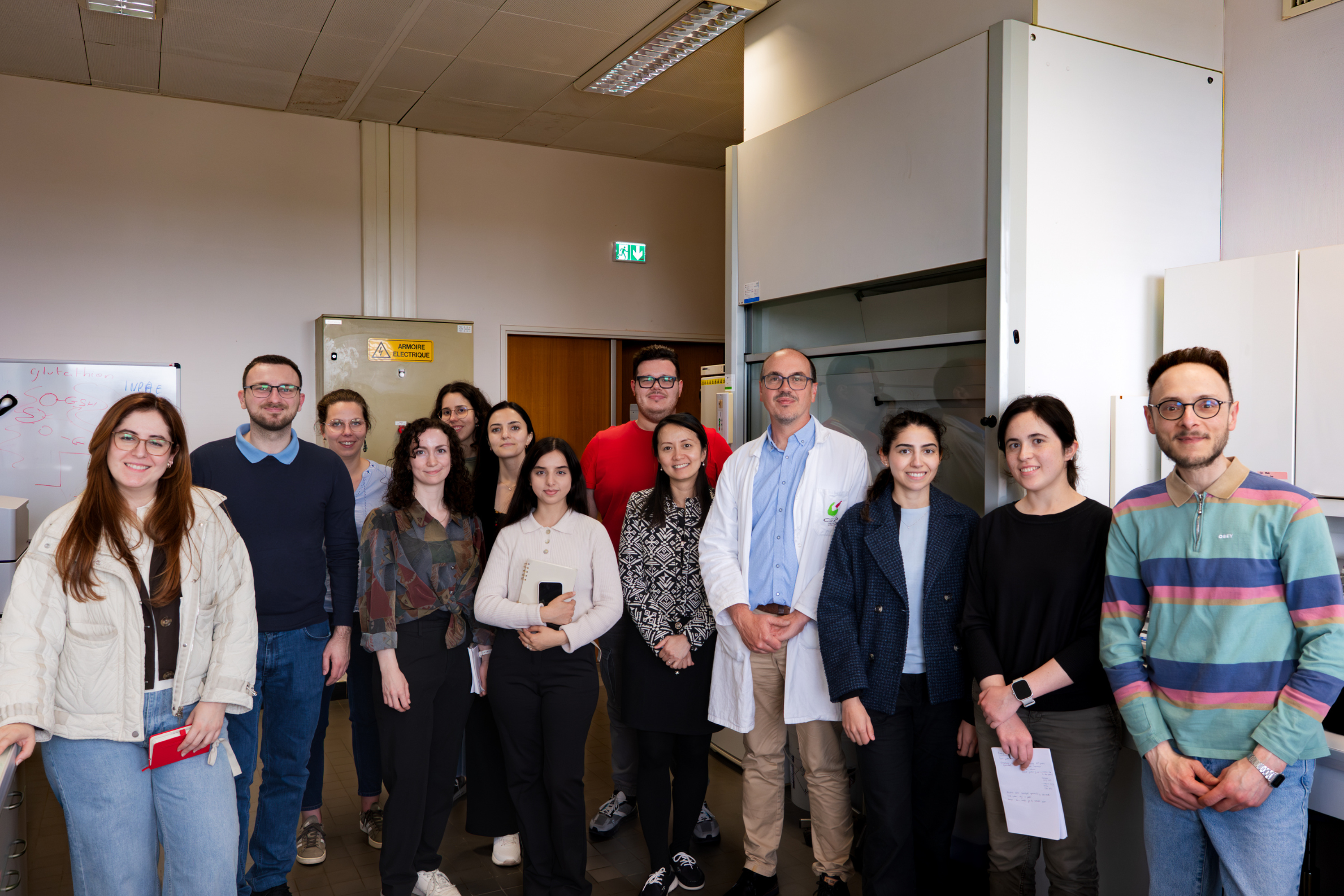

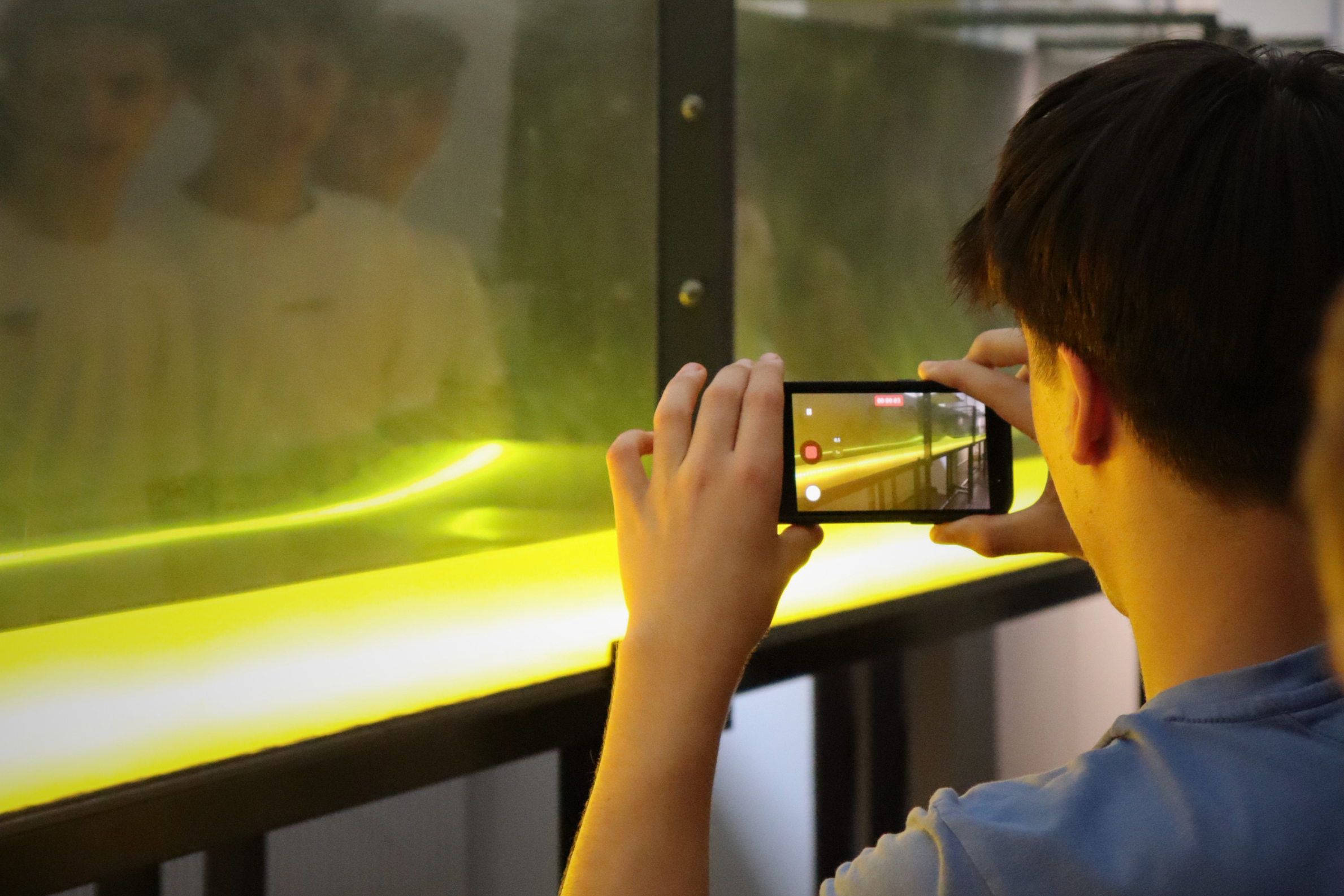
From 15 to 26 June, the Interdisciplinary Carnot de Bourgogne Laboratory (ICB) and the Burgundy Institute of Mathematics (IMB) welcomed 27 French upper secondary school students from Dijon, across the Burgundy region, as well as from Paris and Limoges, as part of their two-week work experience placement. Throughout the fortnight, the students discovered the breadth of research carried out within our laboratories and met the many professionals whose expertise contributes every day to advancing scientific research.
An immersion in the diversity of science
The programme gave students the opportunity to explore a wide range of research fields, including astronomy, quantum physics, mathematics, artificial intelligence, computer science, climate science, biomedical research, hydrogen technologies, photonics, optics and laser science.
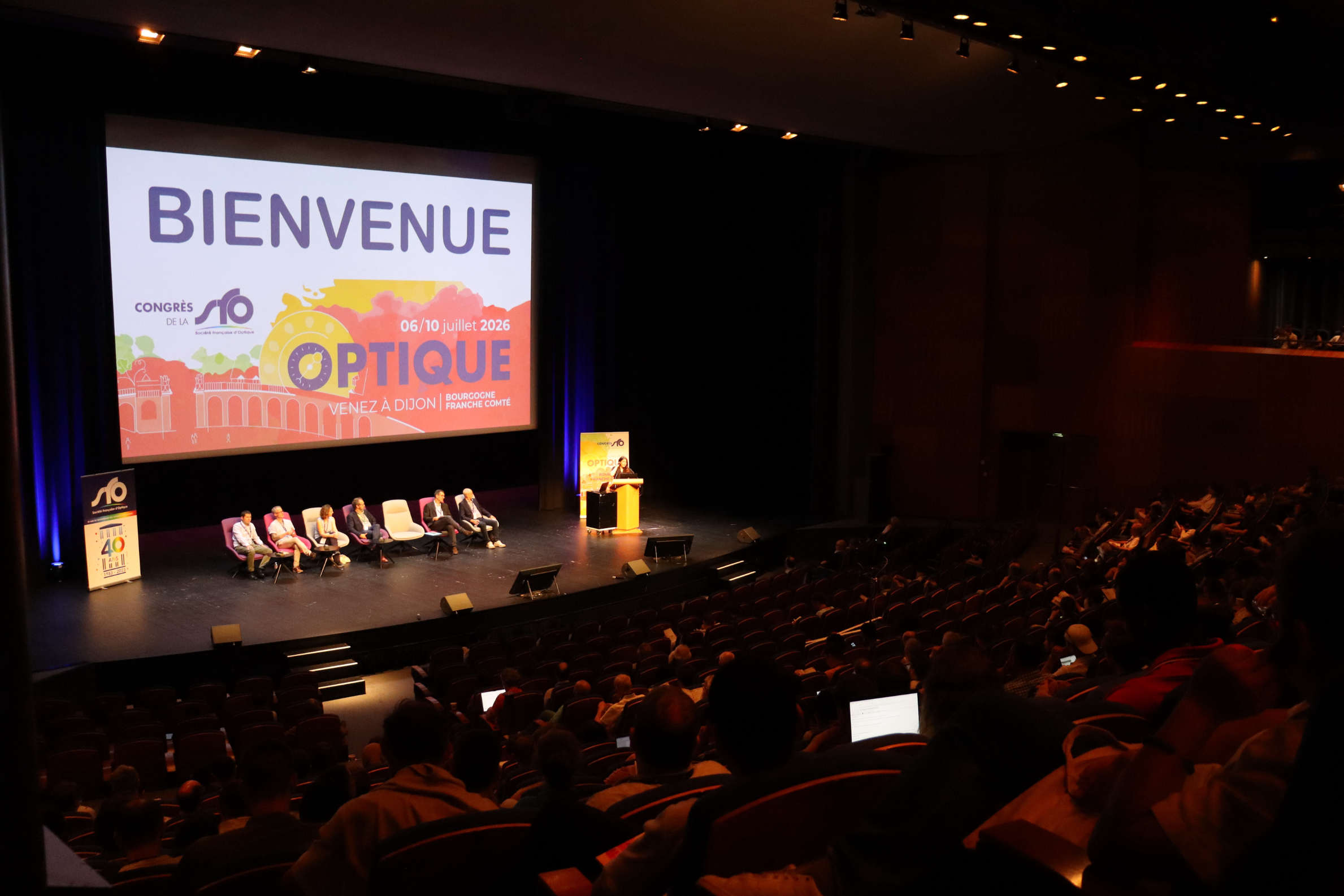
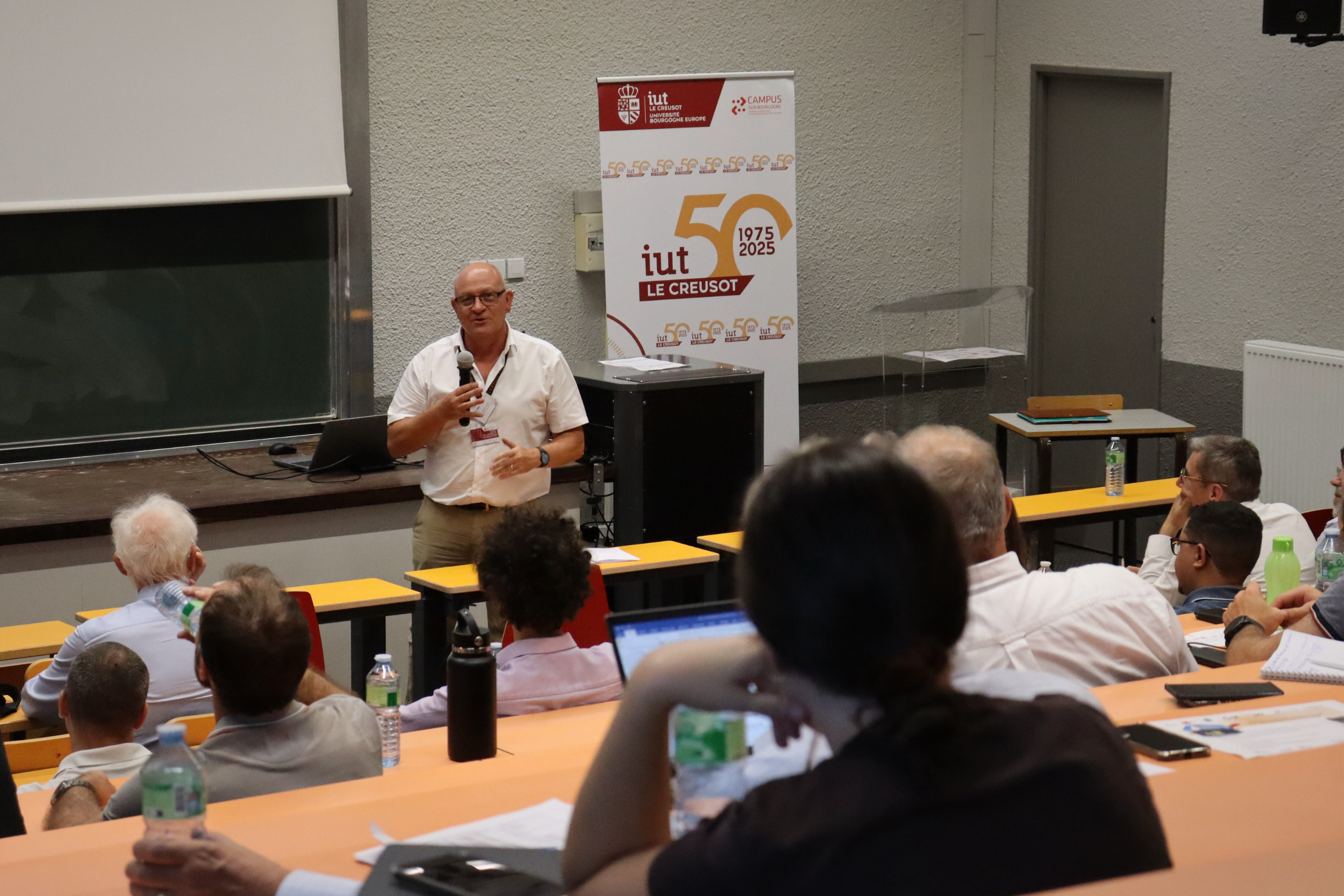
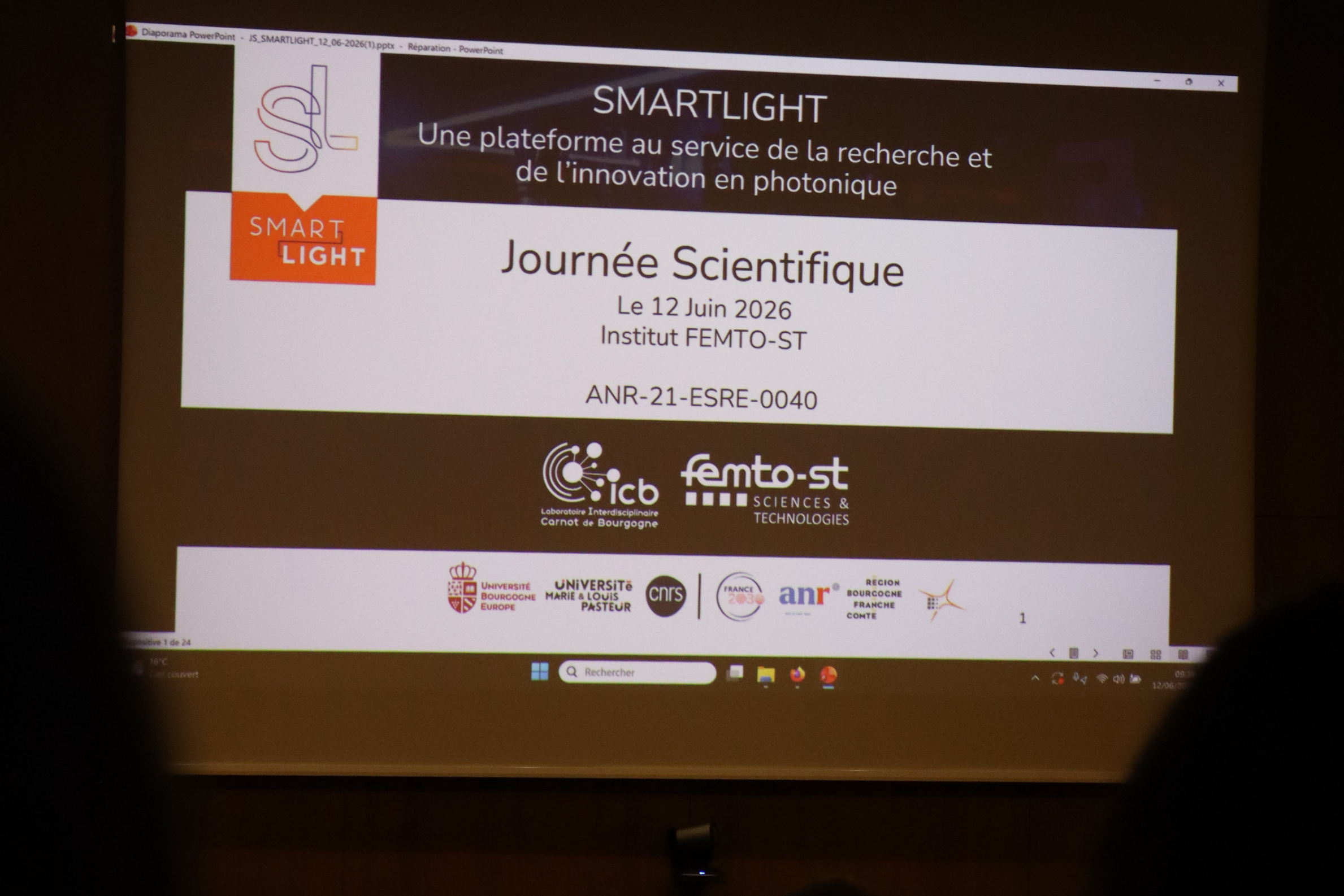
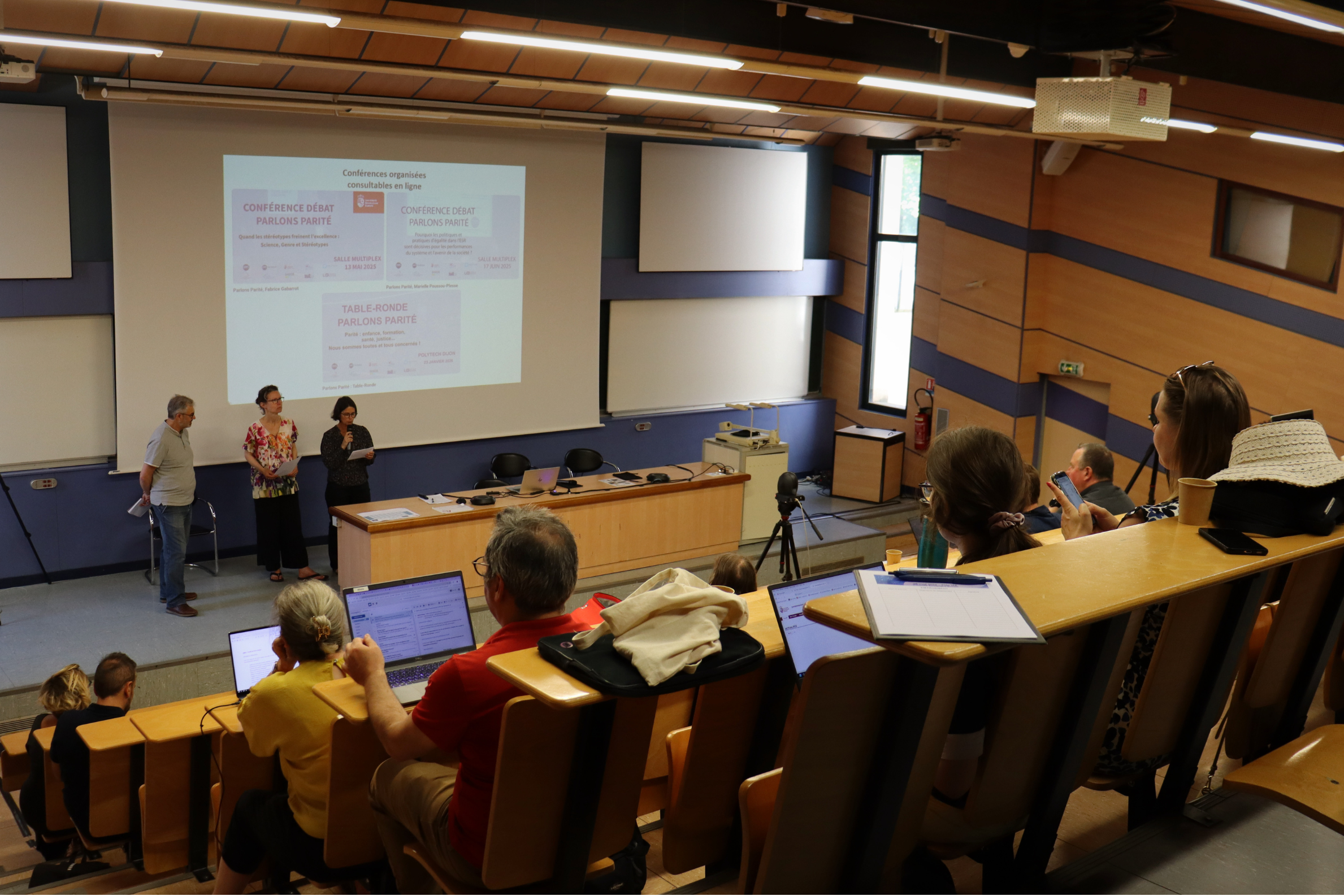
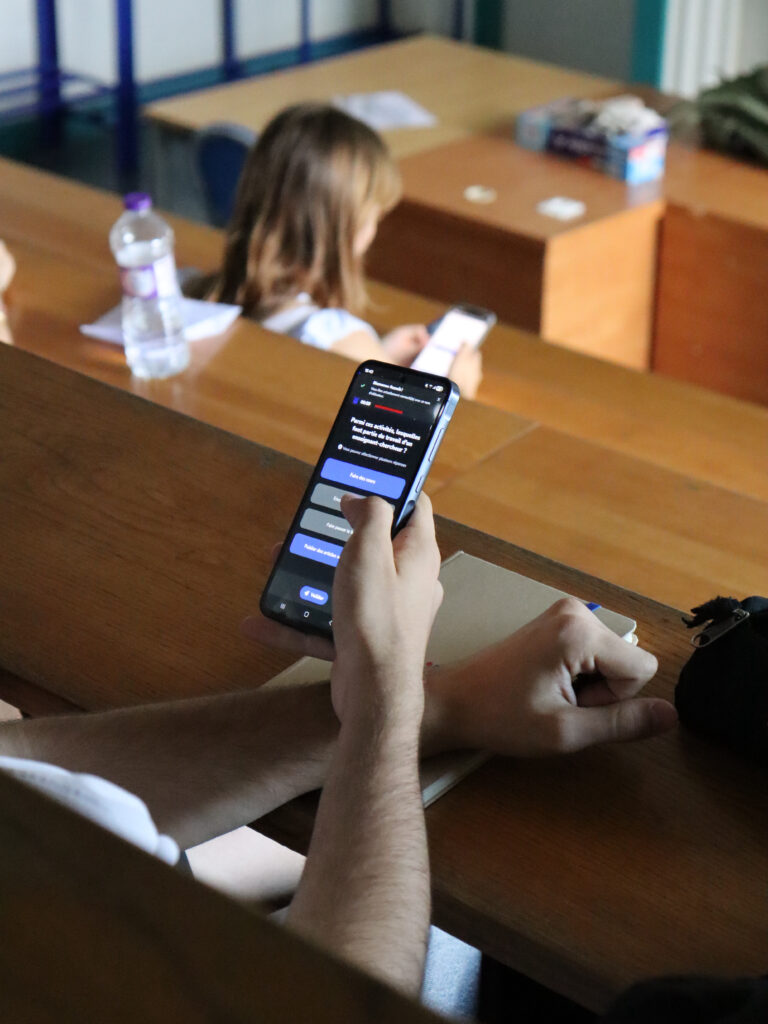
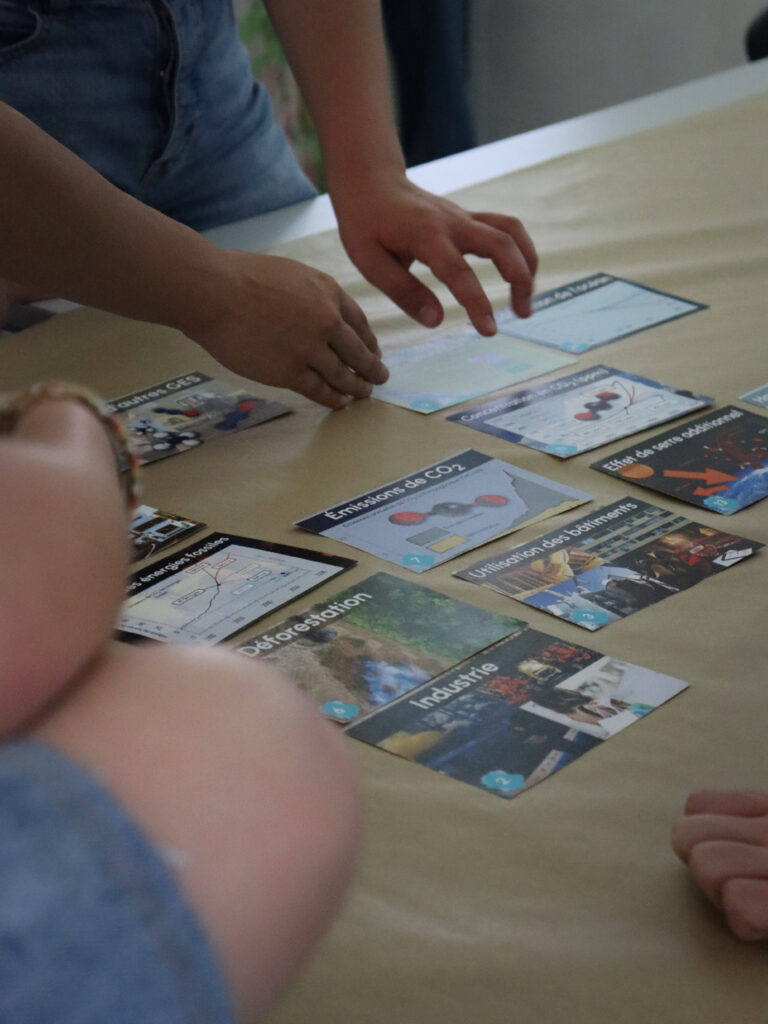
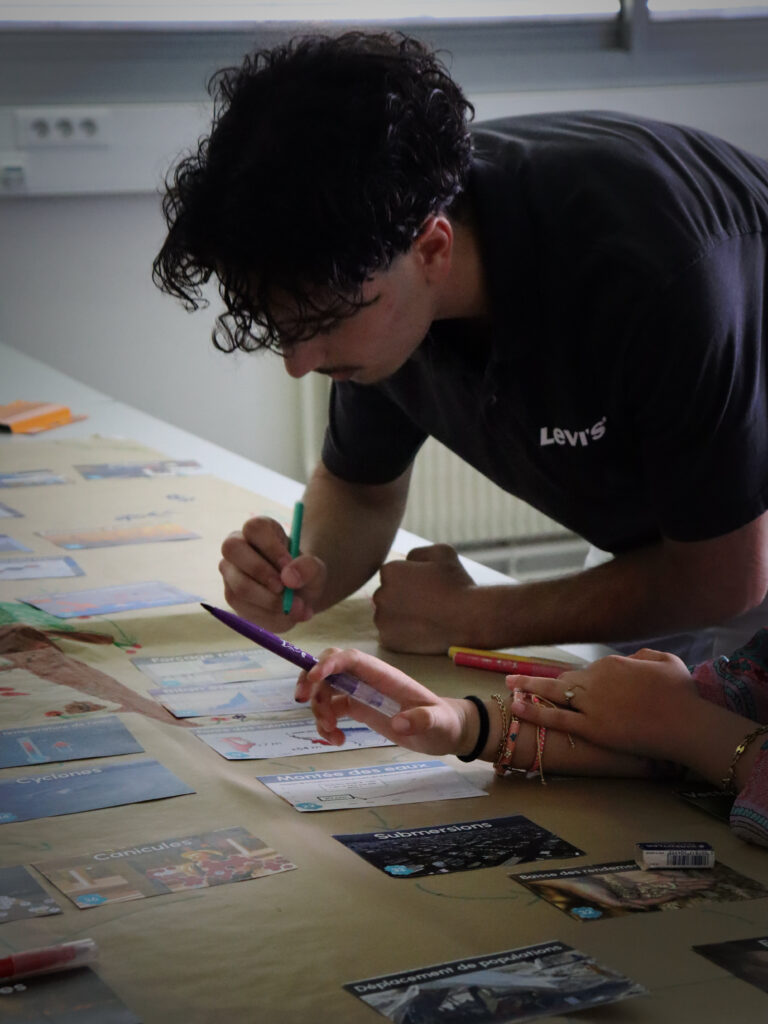
Over the course of the two weeks, they attended lectures, took part in hands-on workshops, visited laboratories and cutting-edge research facilities, explored the scientific collections of the Biogeosciences Laboratory, discovered astronomical observation instruments, watched demonstrations in optics and superconductivity, participated in mathematics workshops and the Climate Fresk, and joined discussions on gender stereotypes in science and computer science.
Discovering research – and the people who make it accessible
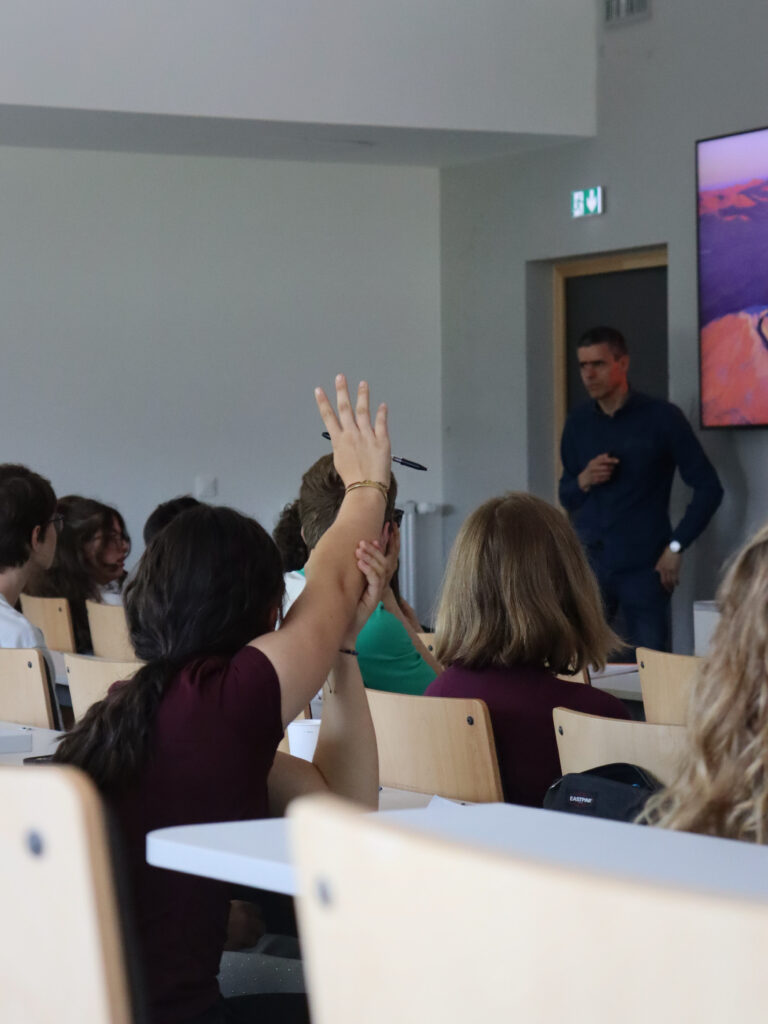
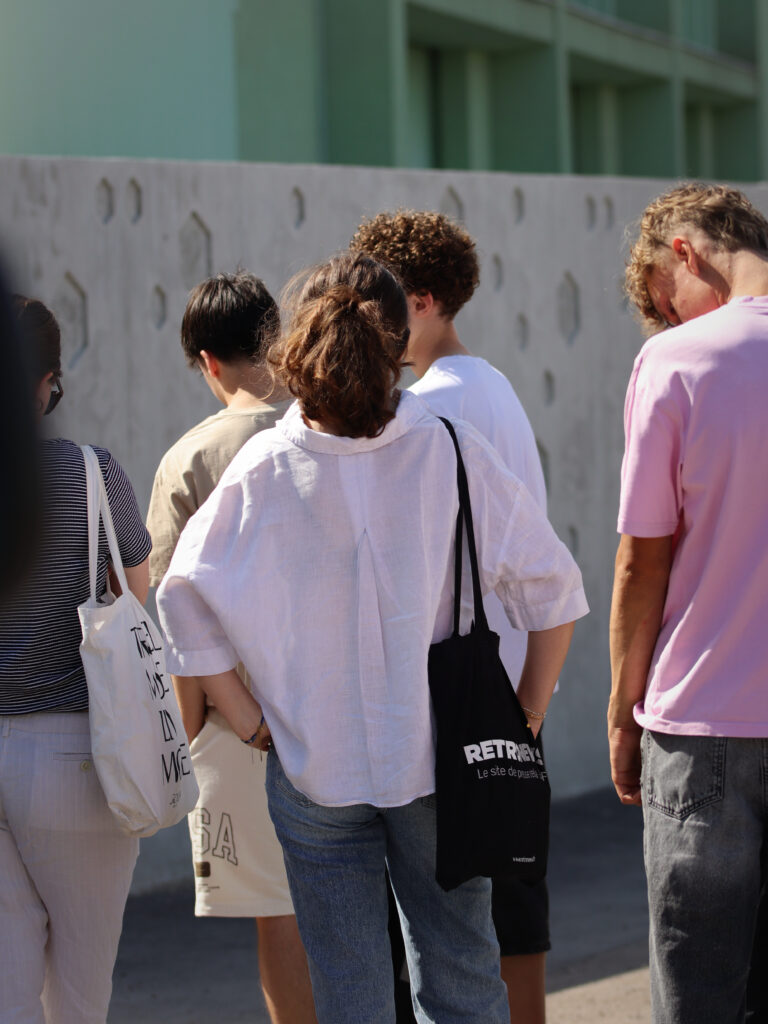
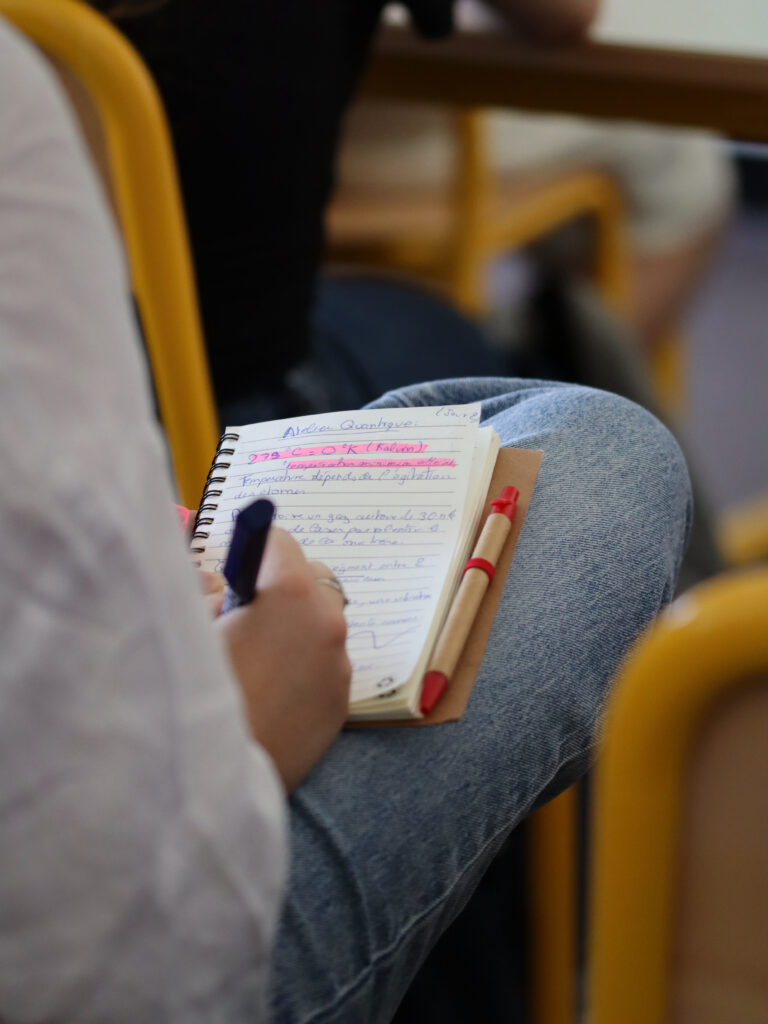
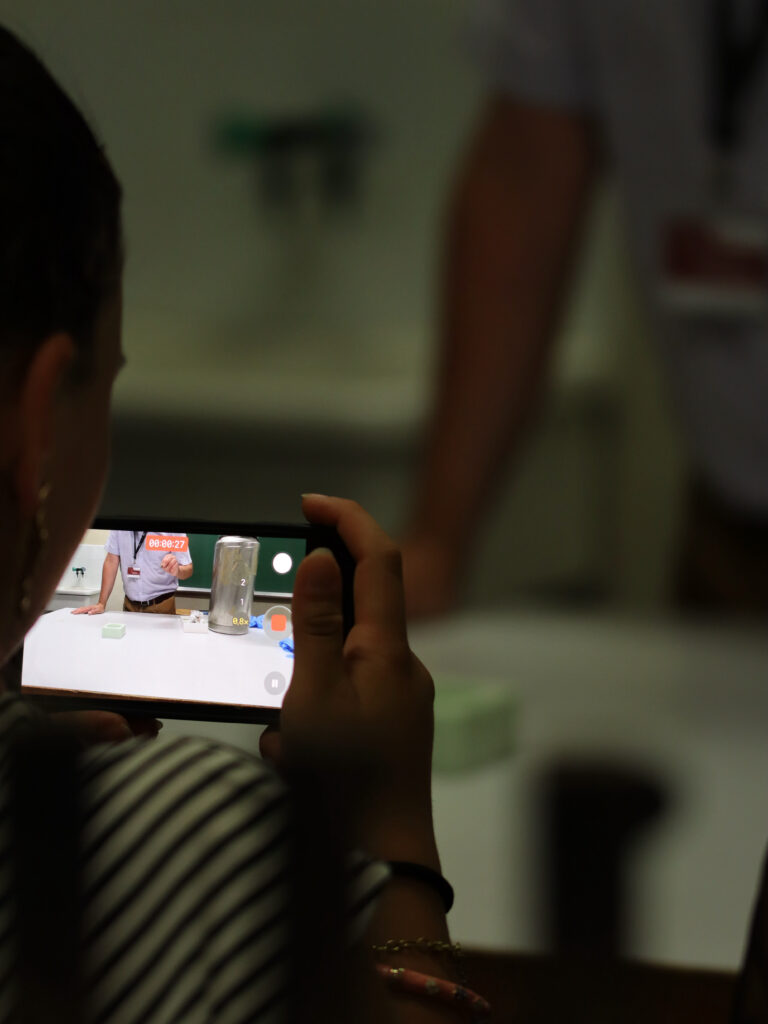
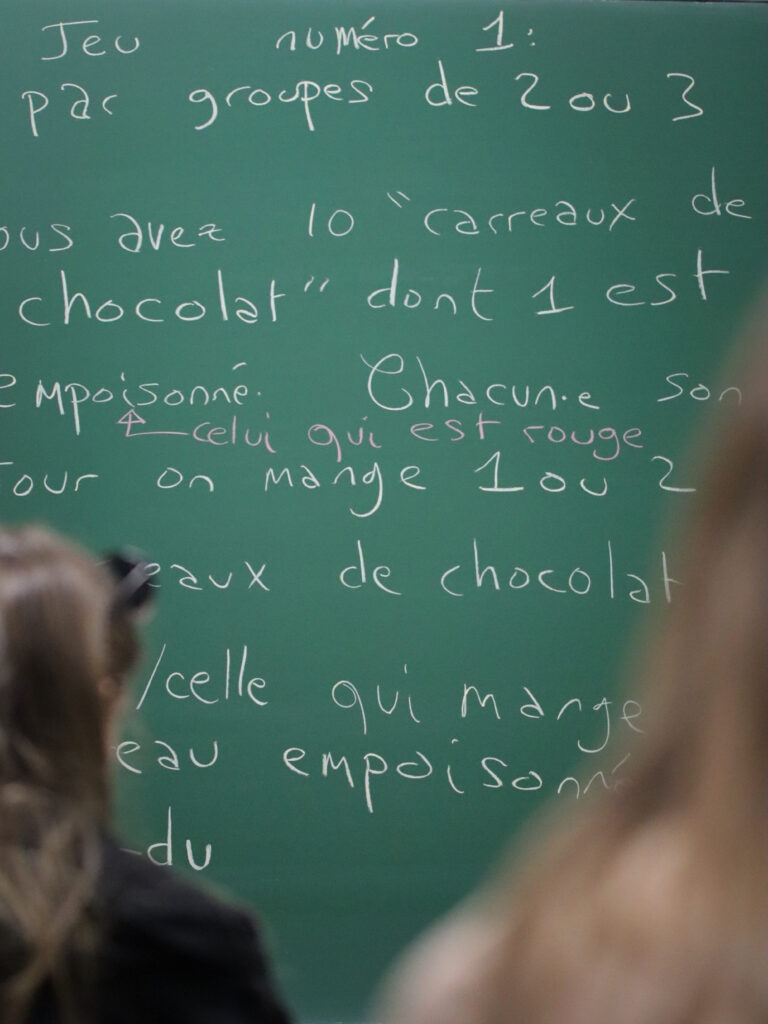
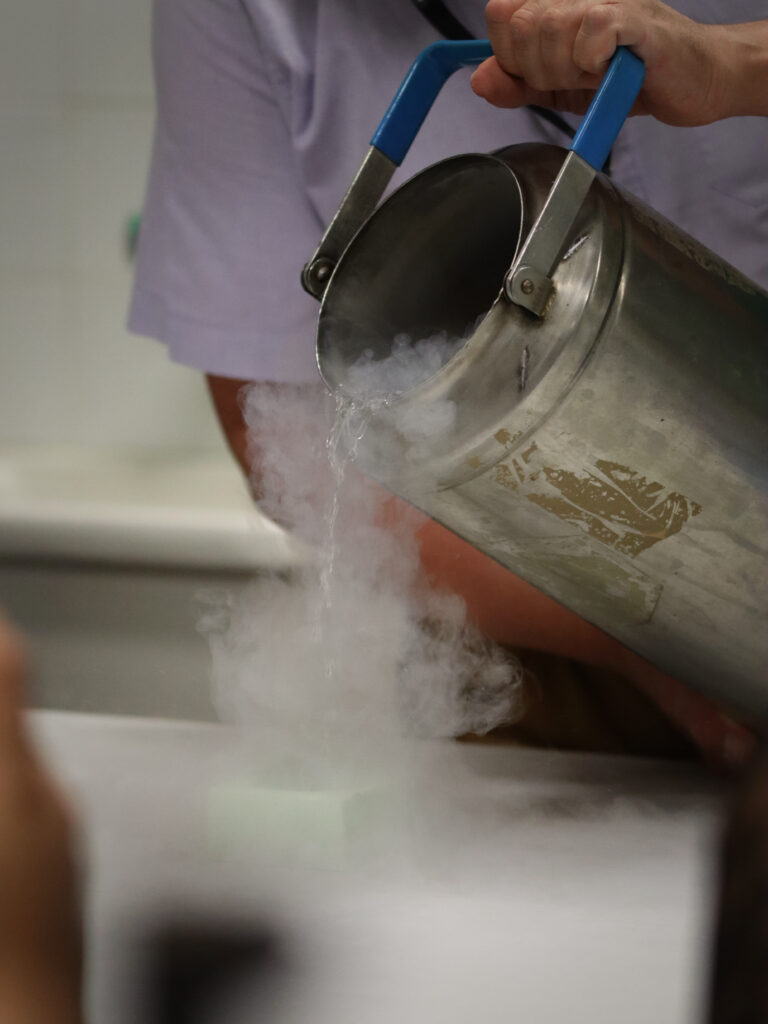
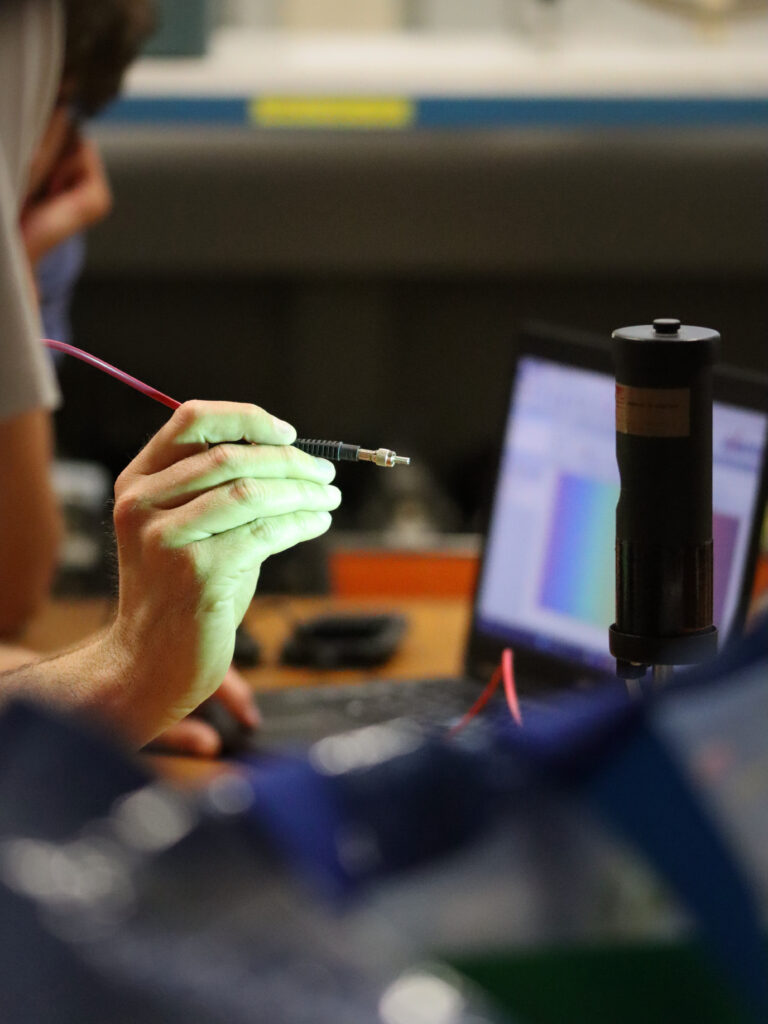
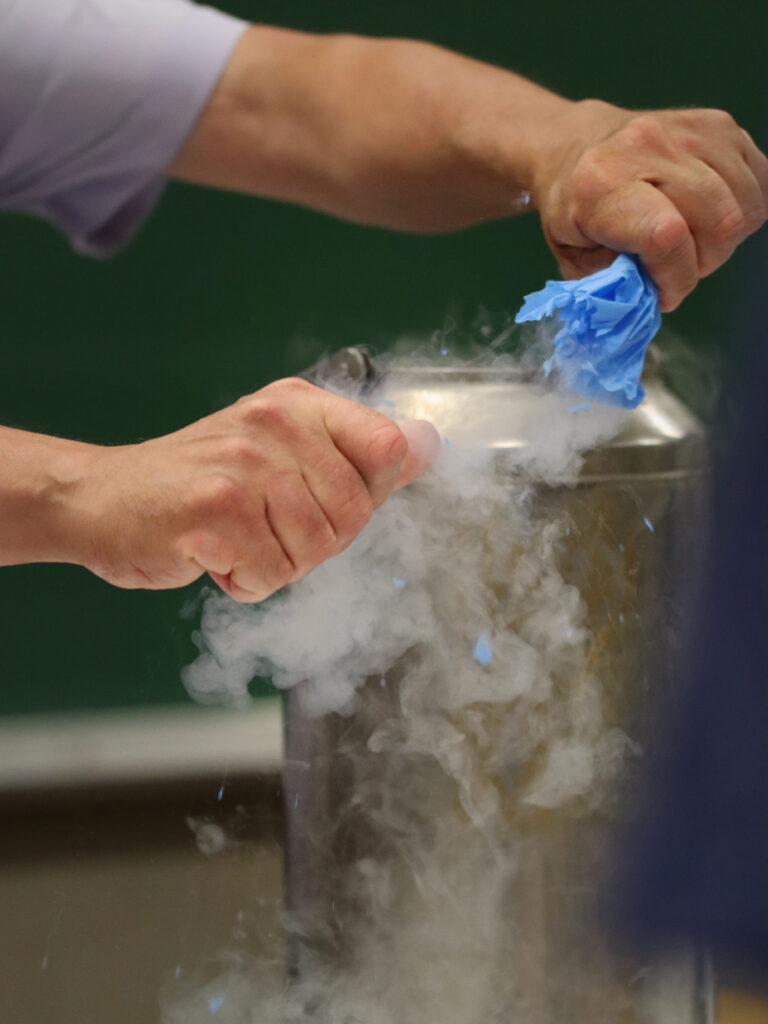
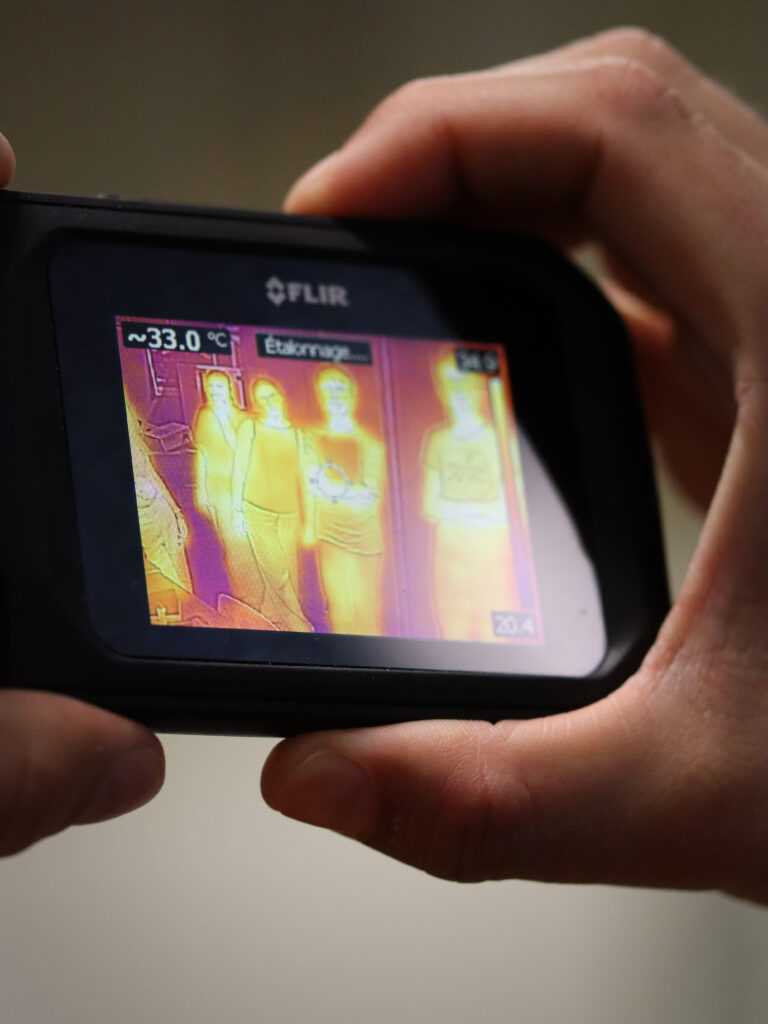
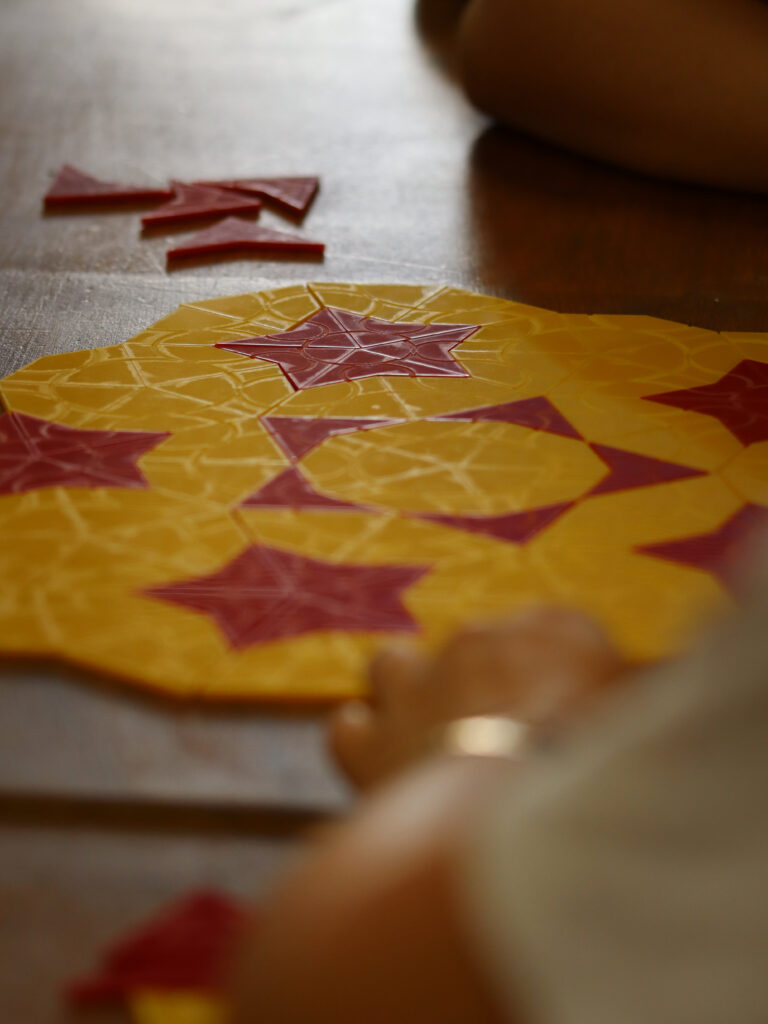
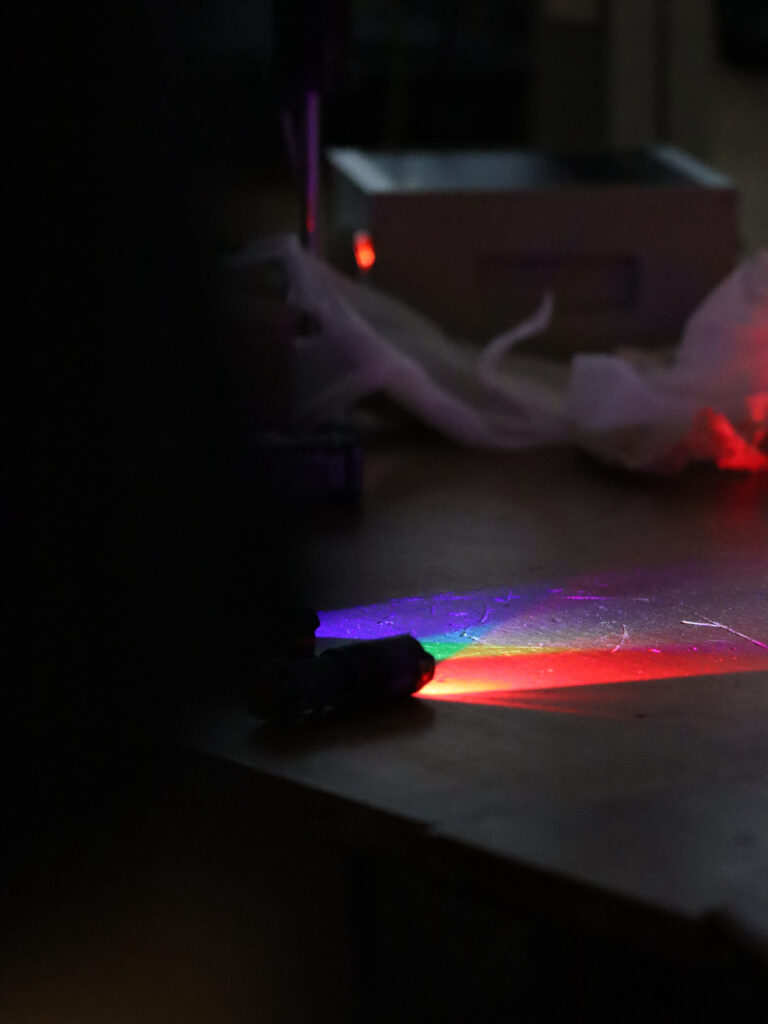
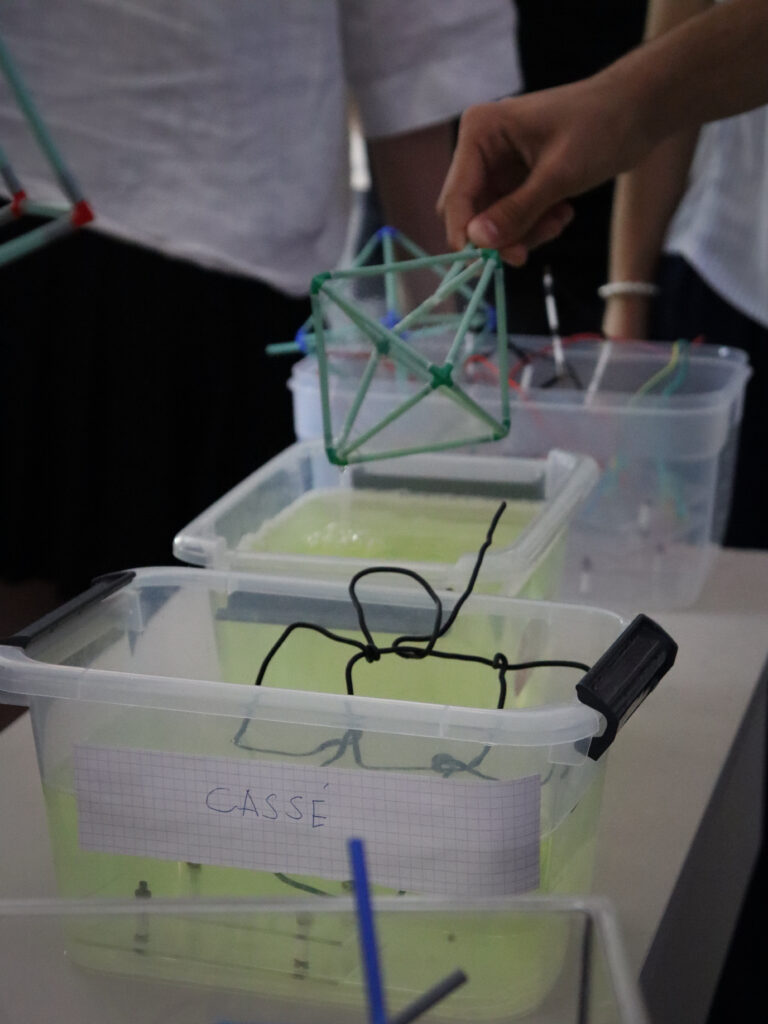
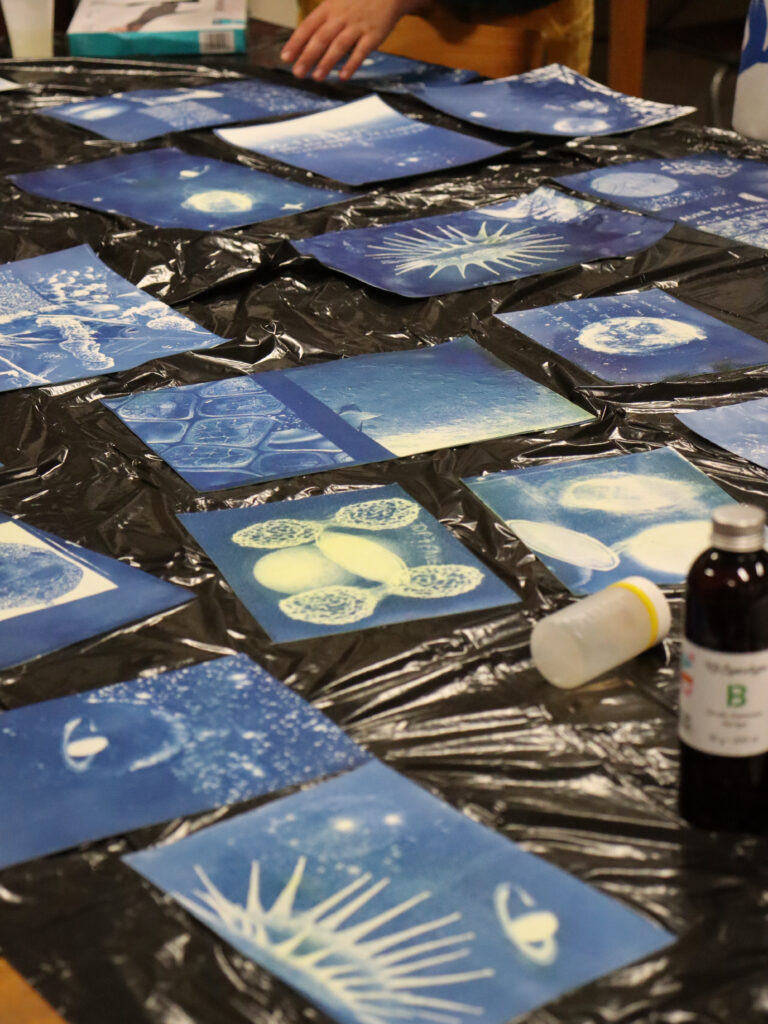
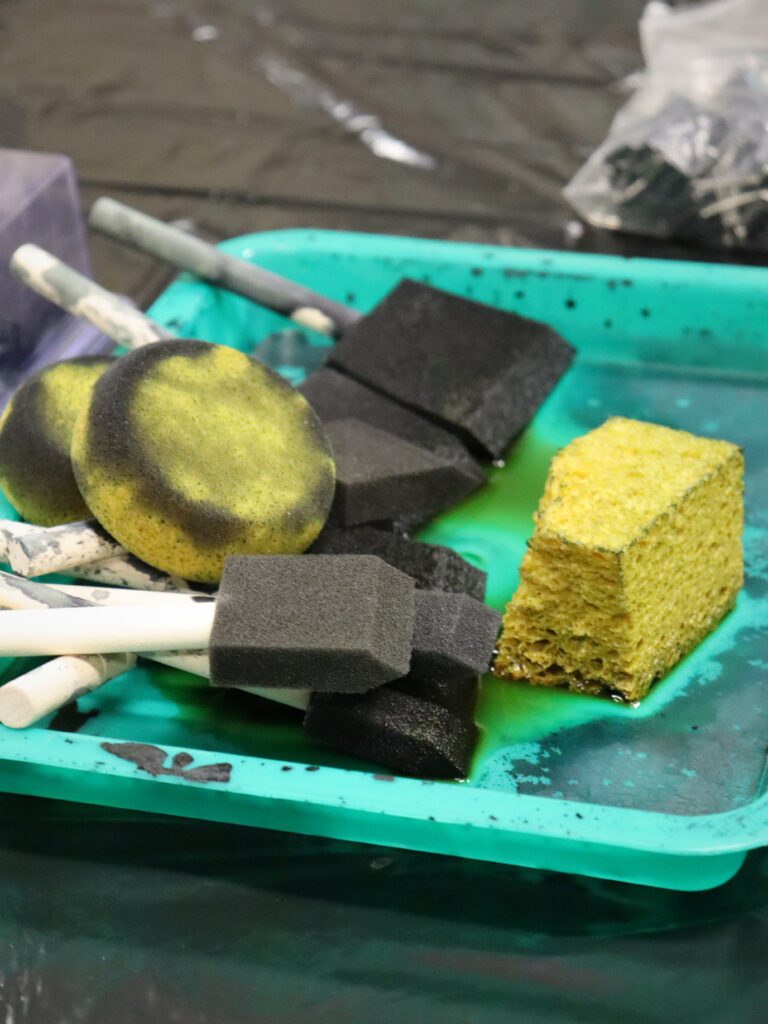
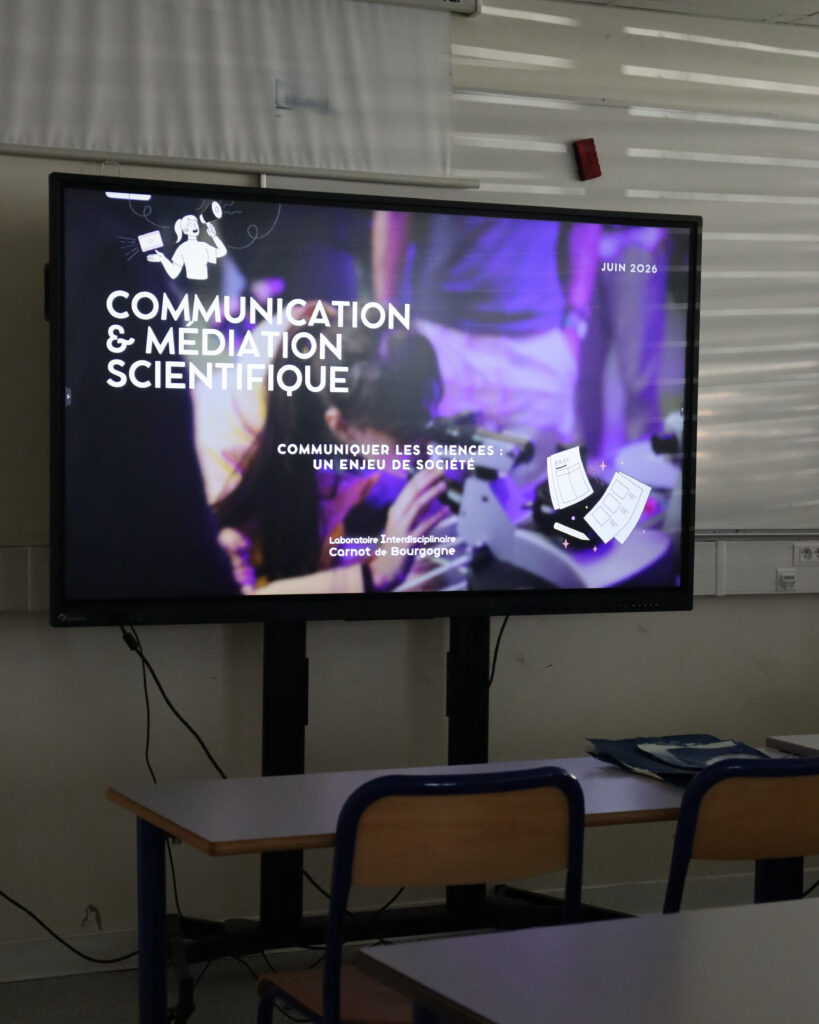
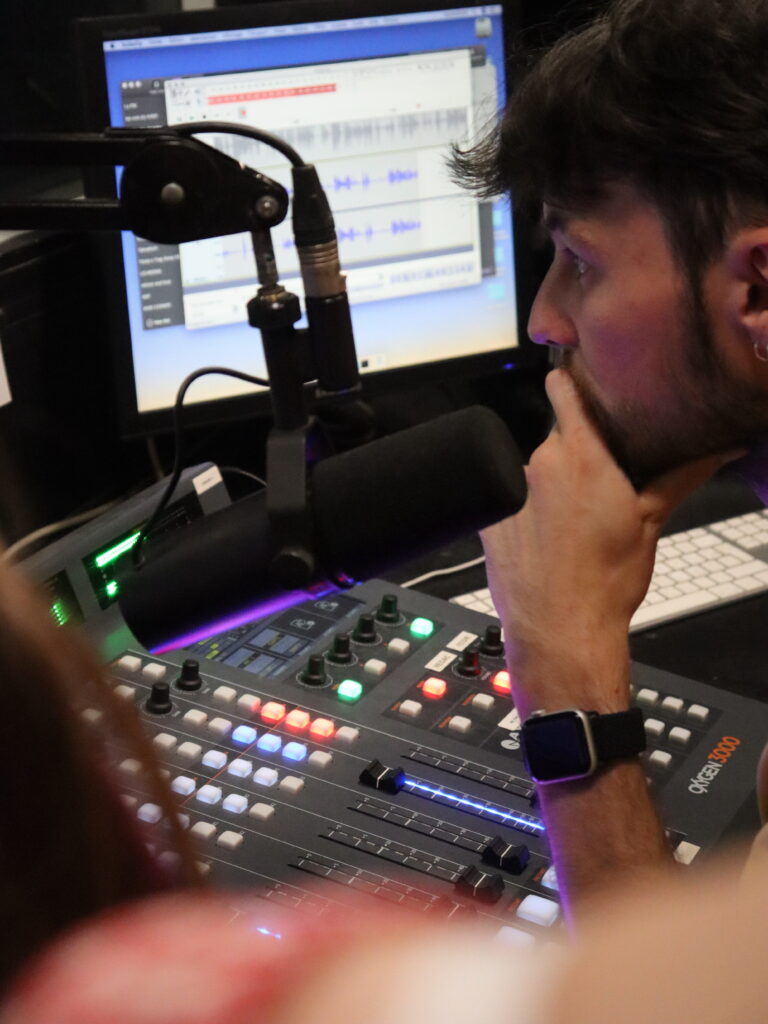
Research extends far beyond the laboratory. Throughout the placement, students also discovered the wide range of professions involved in sharing scientific knowledge with society. They took part in an Arts & Science workshop led by artist Maëva Ferreira Da Costa, explored the role of science communication, recorded a radio programme with Radio Campus, attended demonstrations presented by the Experimentarium, and participated in several workshops designed to help them communicate, explain and promote science to a variety of audiences.
These activities encouraged students to view research from a different perspective and to understand that science communication, public engagement, artistic practice and science journalism all play a vital role in strengthening the dialogue between science and society.
Discovering careers… and the people behind them
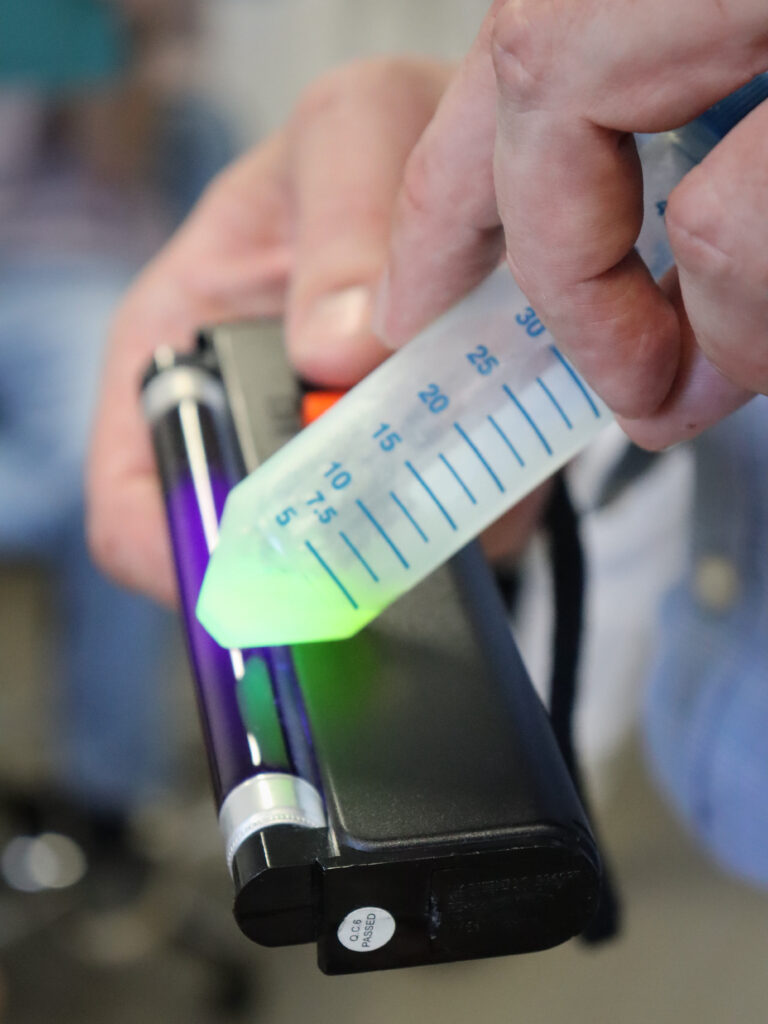
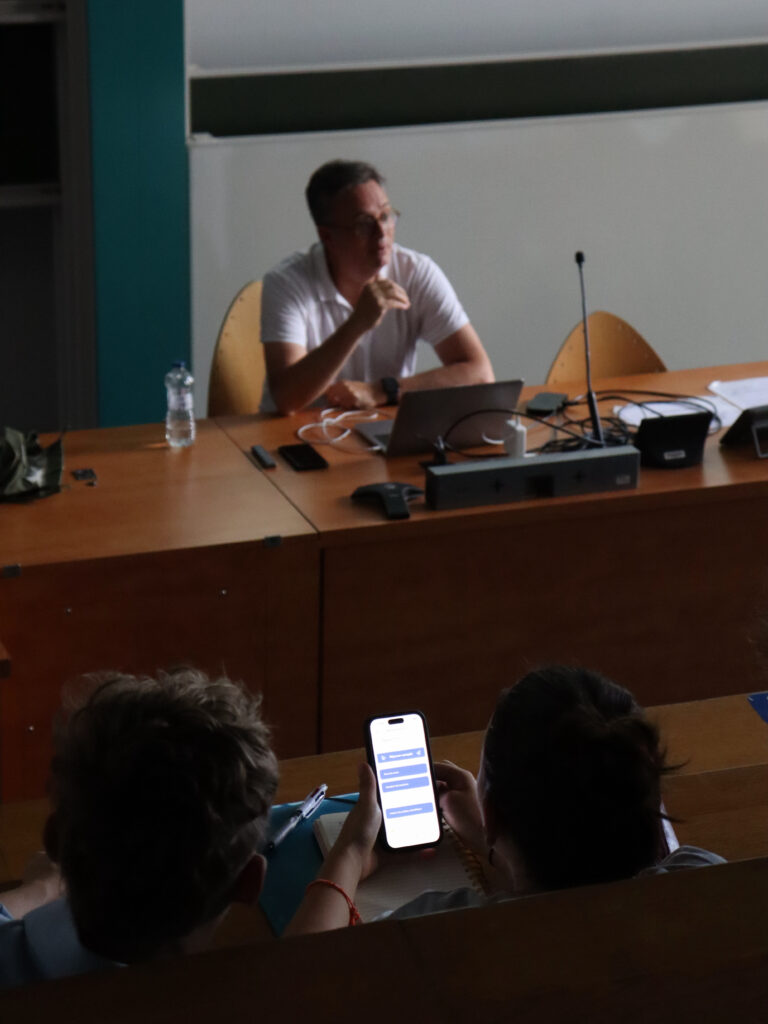
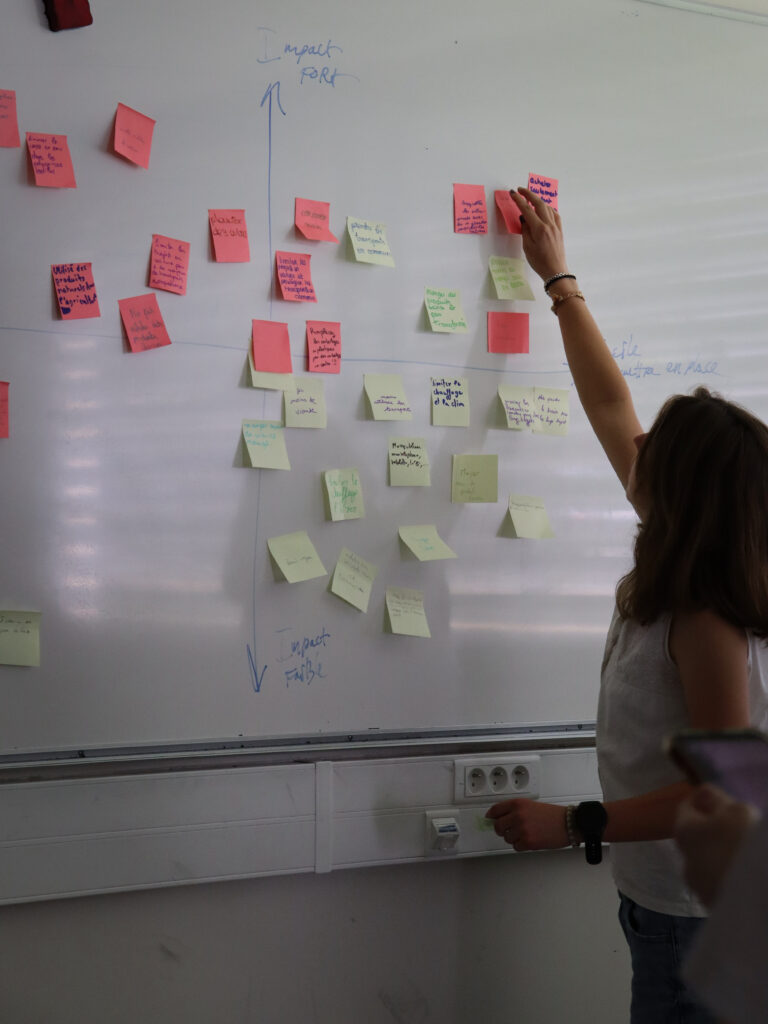
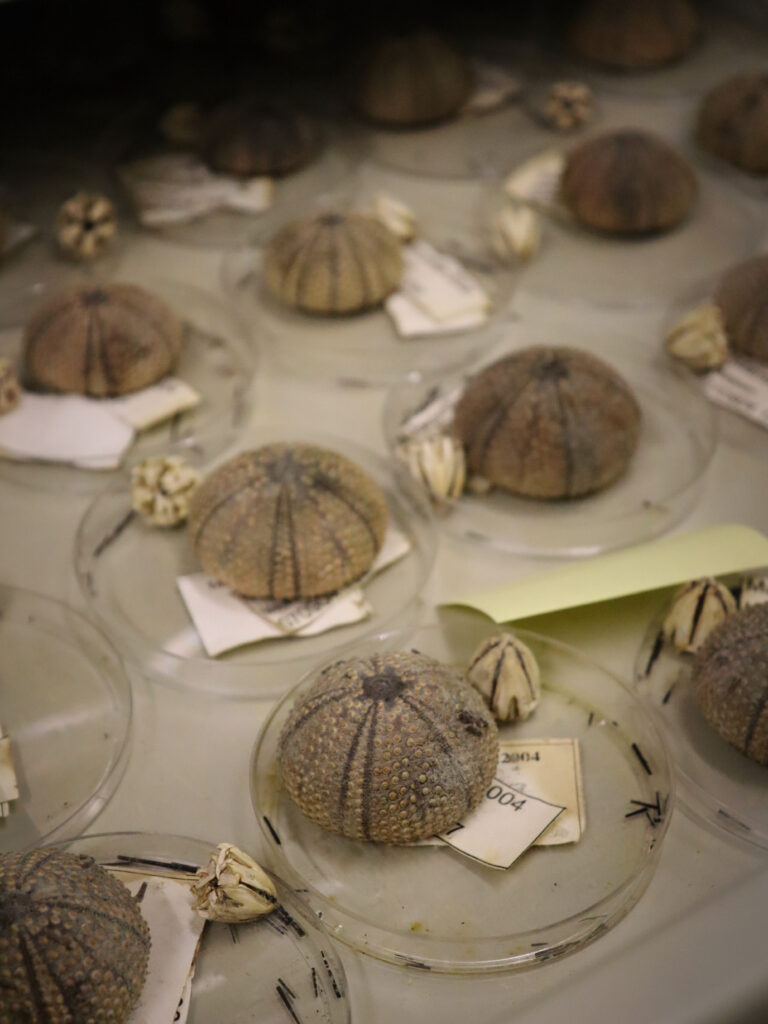
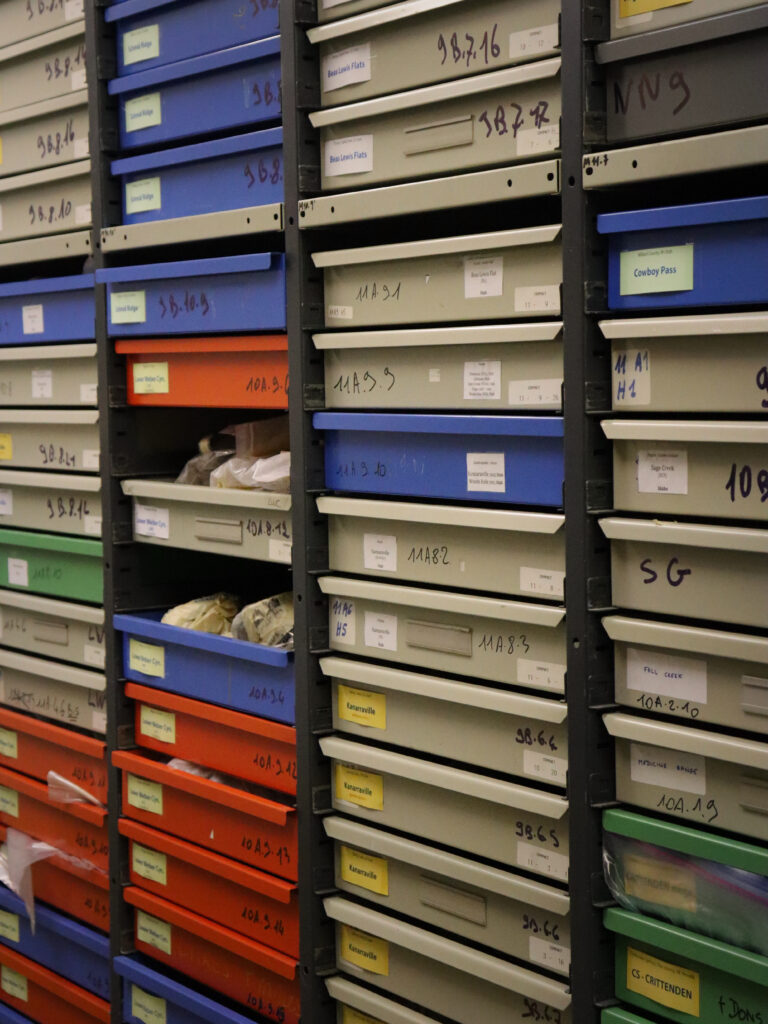
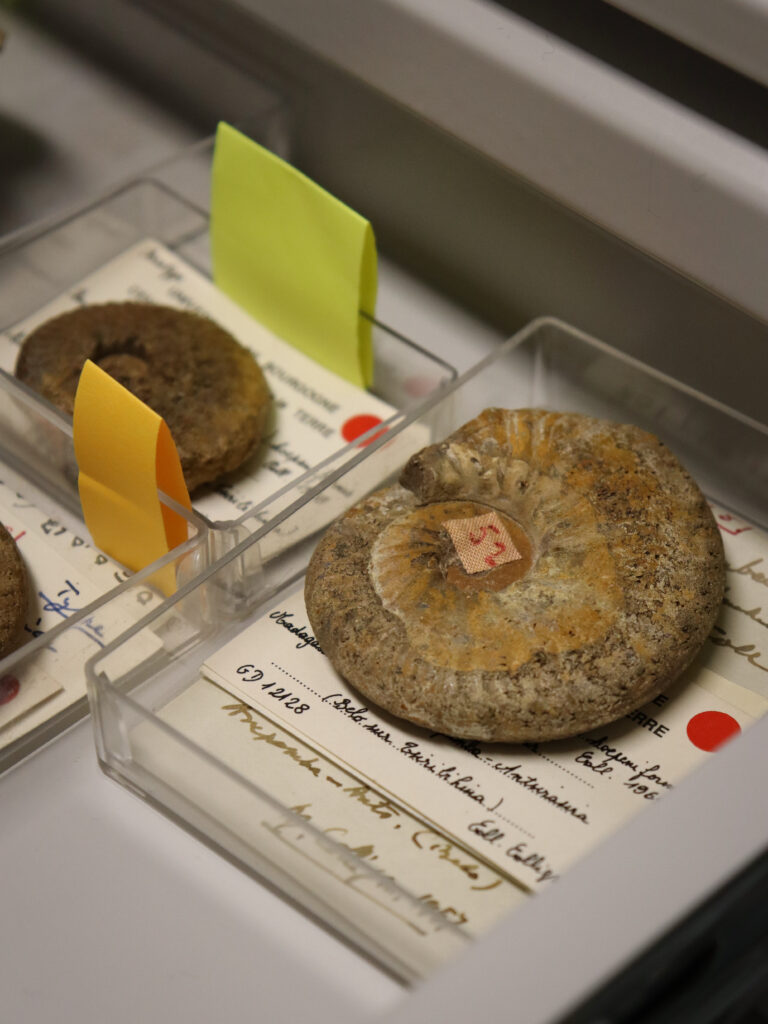
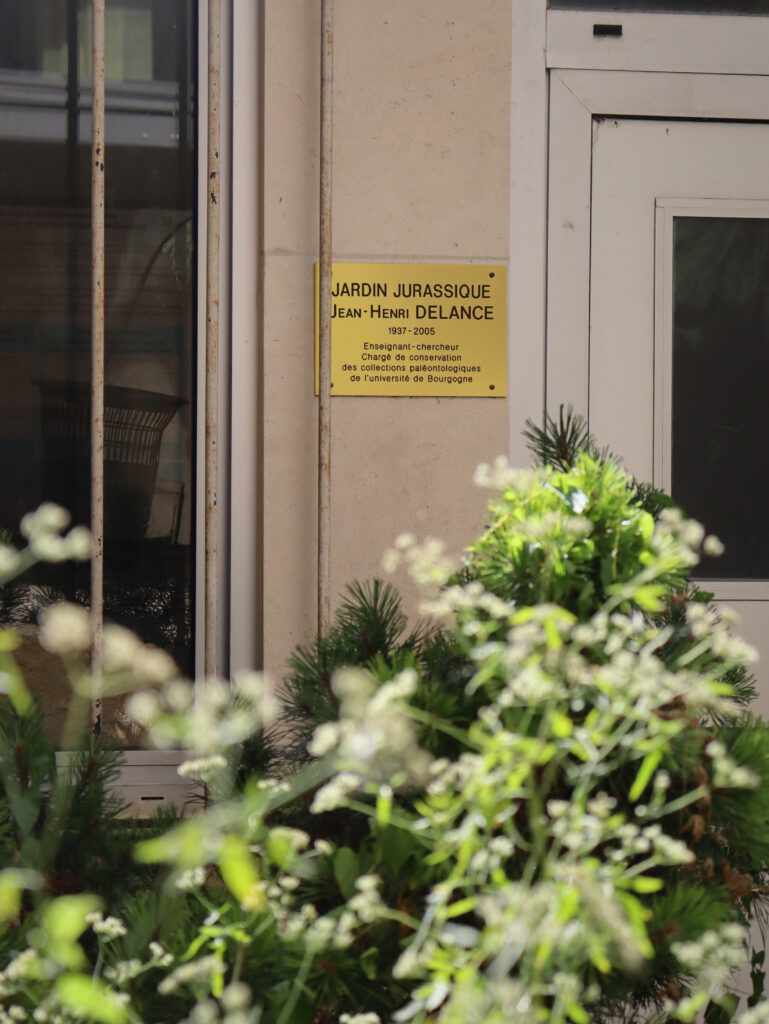
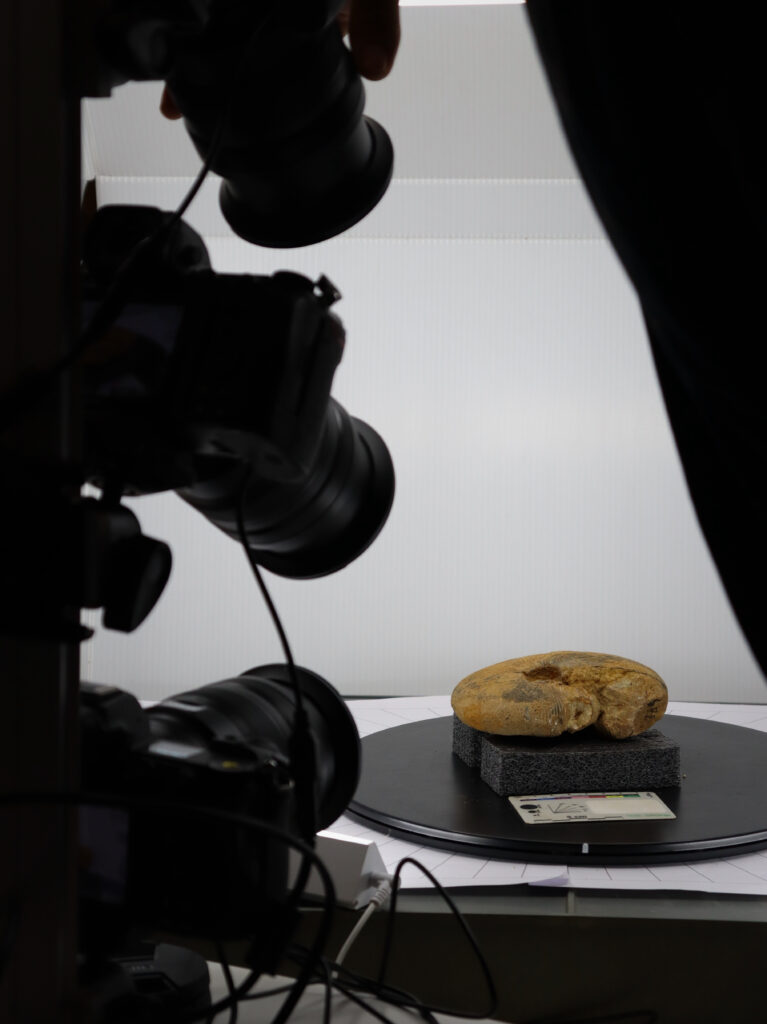
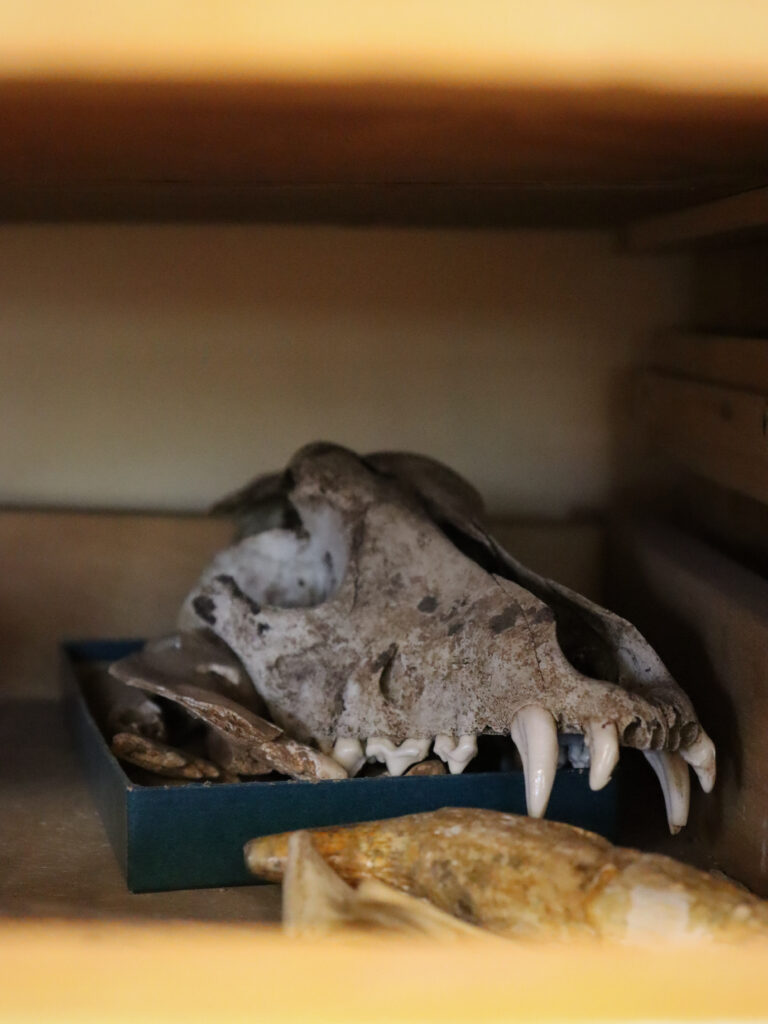
Beyond the scientific content, the placement was also designed to introduce students to the research environment and the many pathways leading to careers in science. They attended a presentation on the role of the CNRS, explored the degree programmes offered by Université Bourgogne Europe during a visit to the university campus, and met researchers, academic staff, engineers, technicians, PhD candidates, science communicators and professional support staff.
These encounters gave students a better understanding of how a research laboratory operates and highlighted the wide range of complementary professions that contribute to scientific research.
Concluding the placement with student presentations
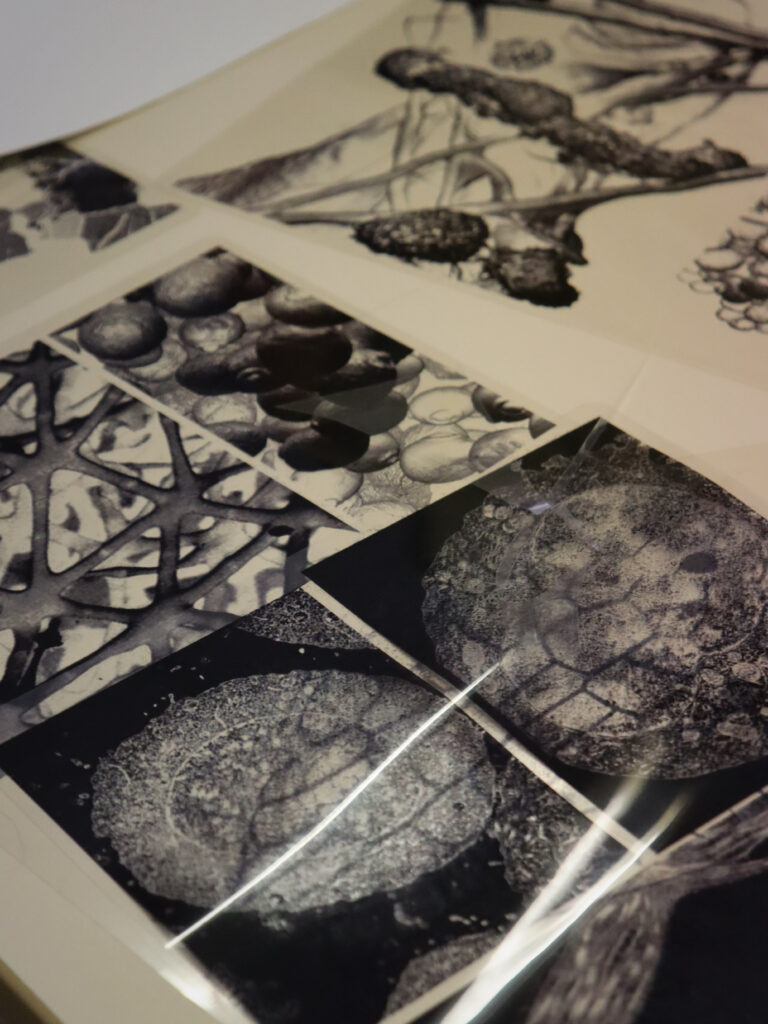
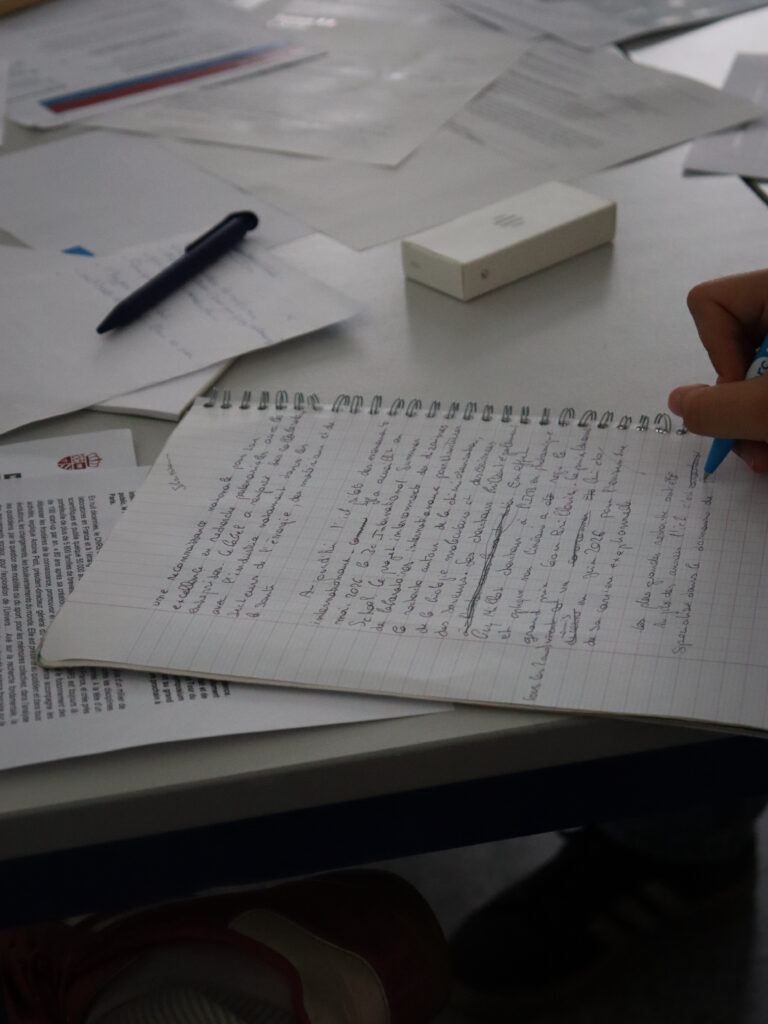
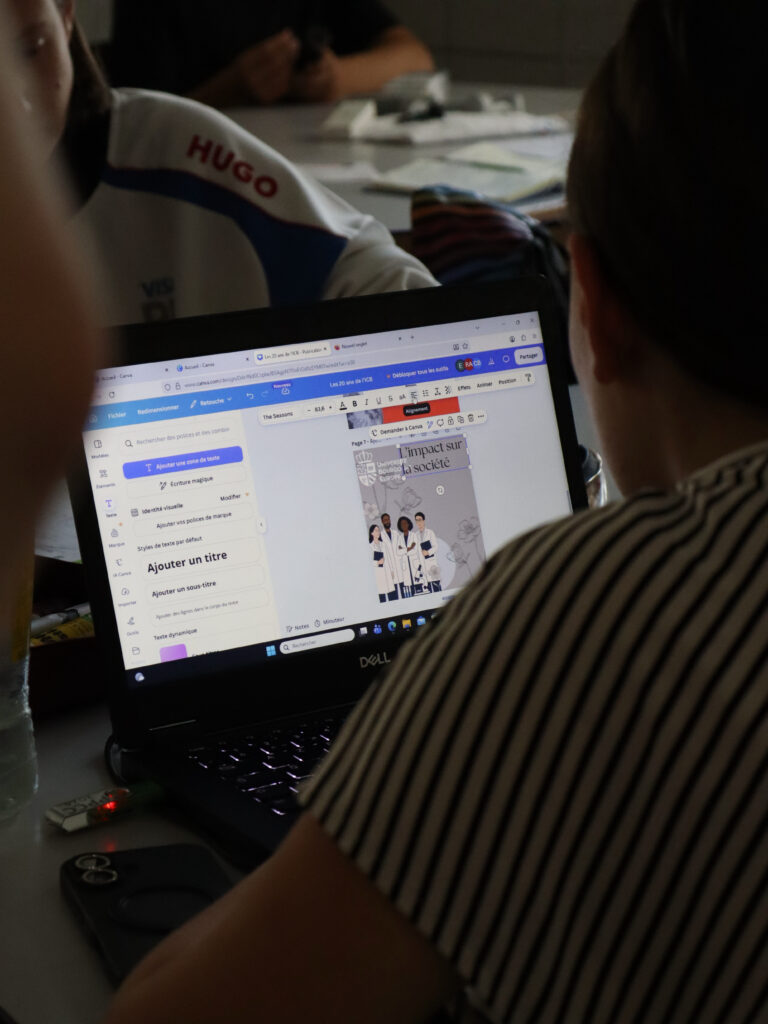
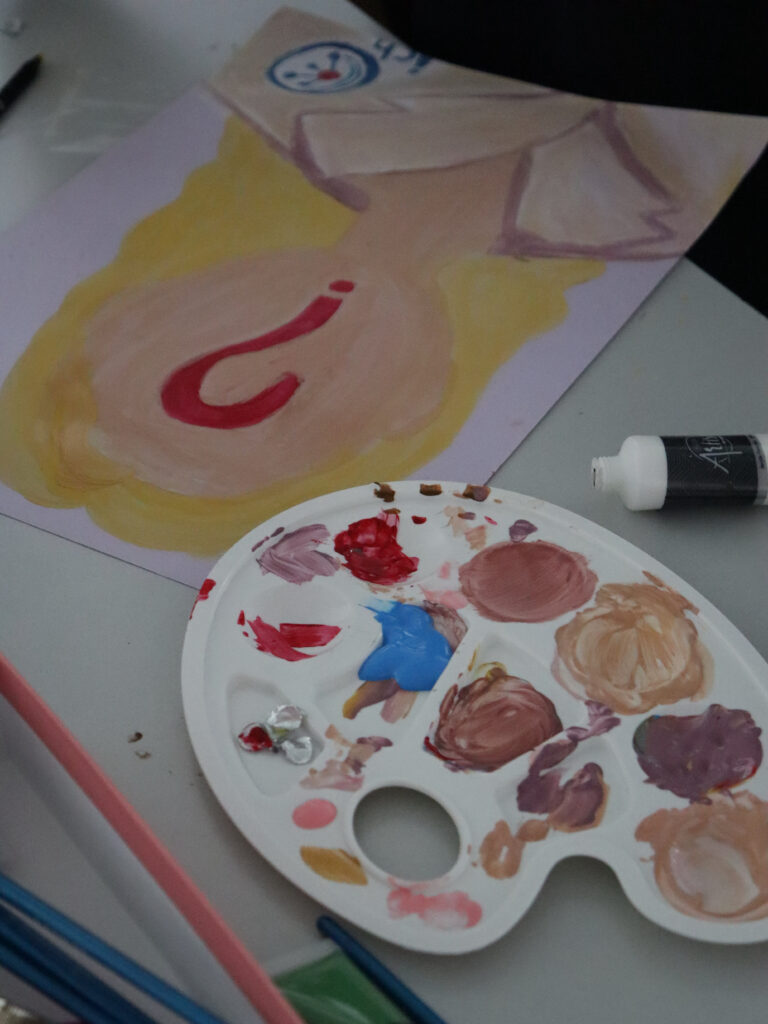
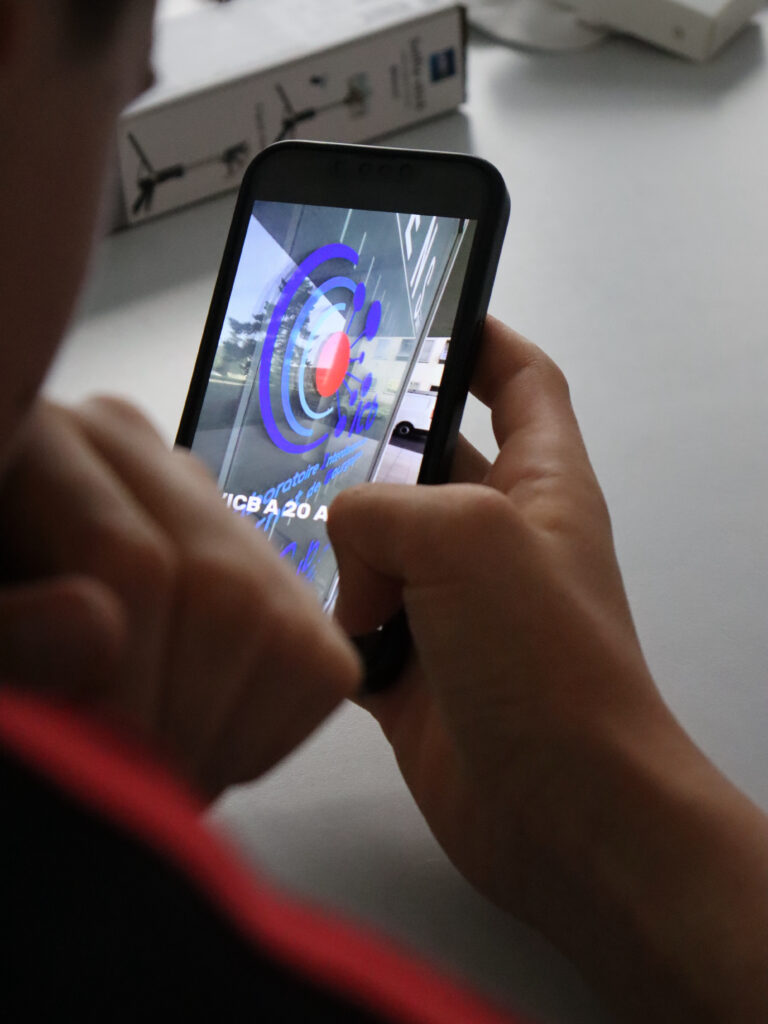
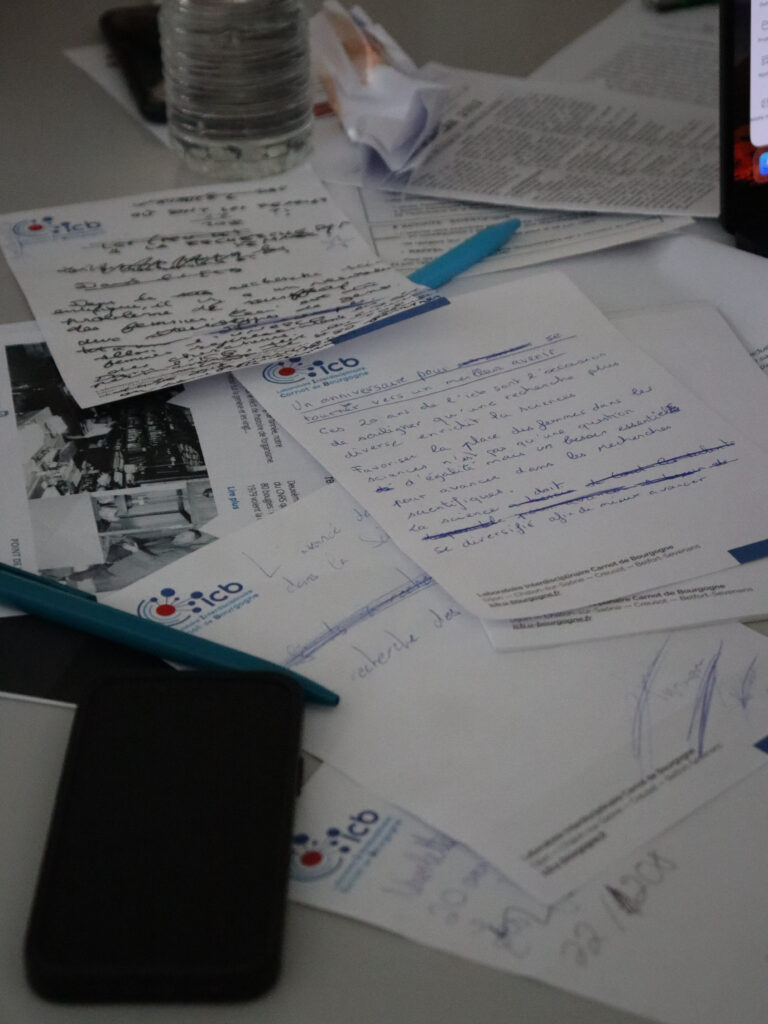
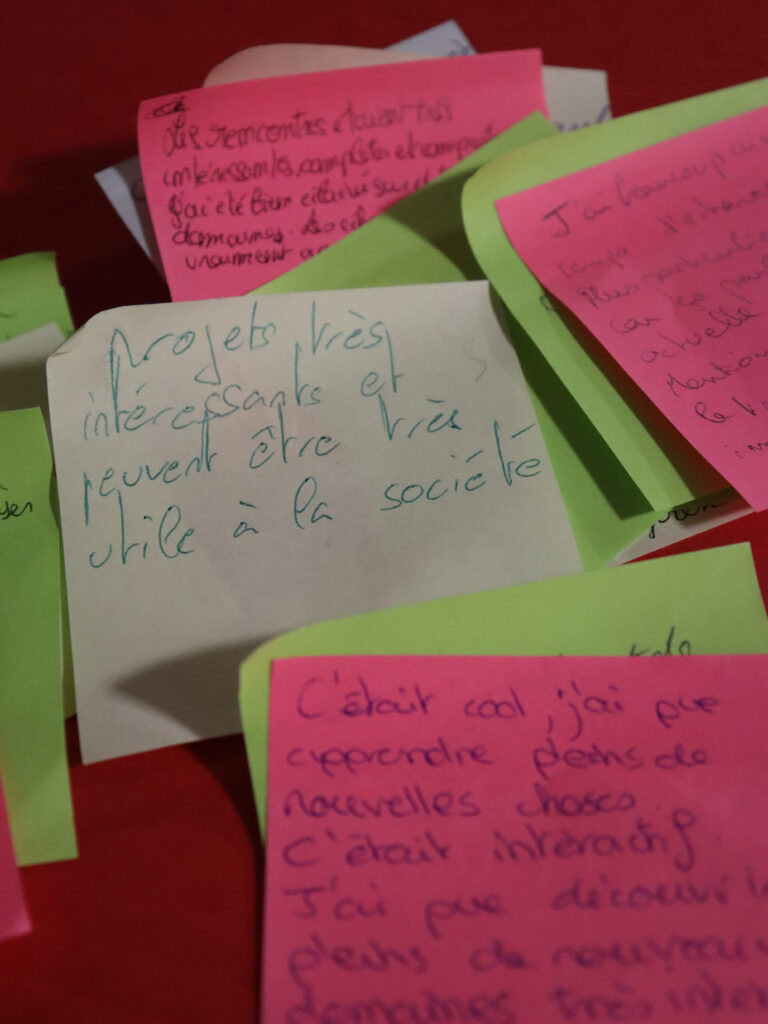
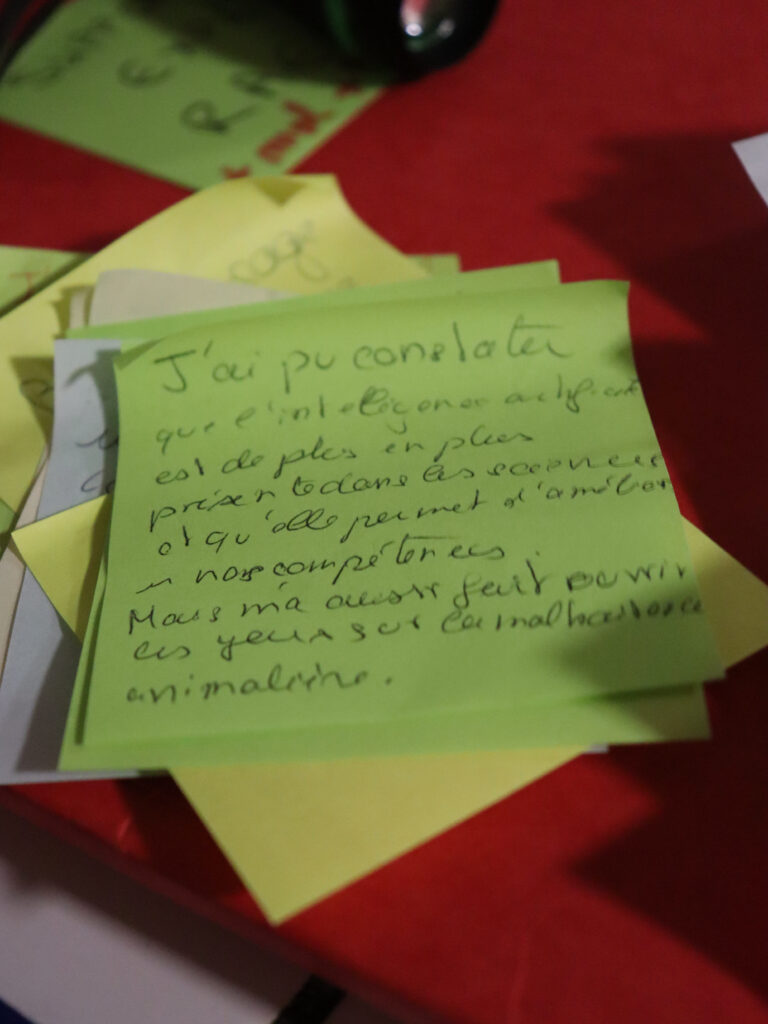
The placement concluded with a series of presentations in which the students shared the projects they had completed and reflected on what they had learned during their two weeks of immersion. Each student had the opportunity to present the discoveries that had inspired them most throughout the programme.
We are also delighted to see that, once again this year, girls made up more than half of the group. This is an encouraging sign for the future of STEM subjects and a positive reflection of the growing presence of women in science.
The ICB Laboratory would like to extend its sincere thanks to everyone involved from ICB, IMB, the CNRS and Université Bourgogne Europe, as well as to all the staff who generously gave their time and expertise. Thanks to their commitment, these 27 students were able to discover research in all its dimensions—from the laboratories themselves to the many professions that make research possible, visible and accessible to society.