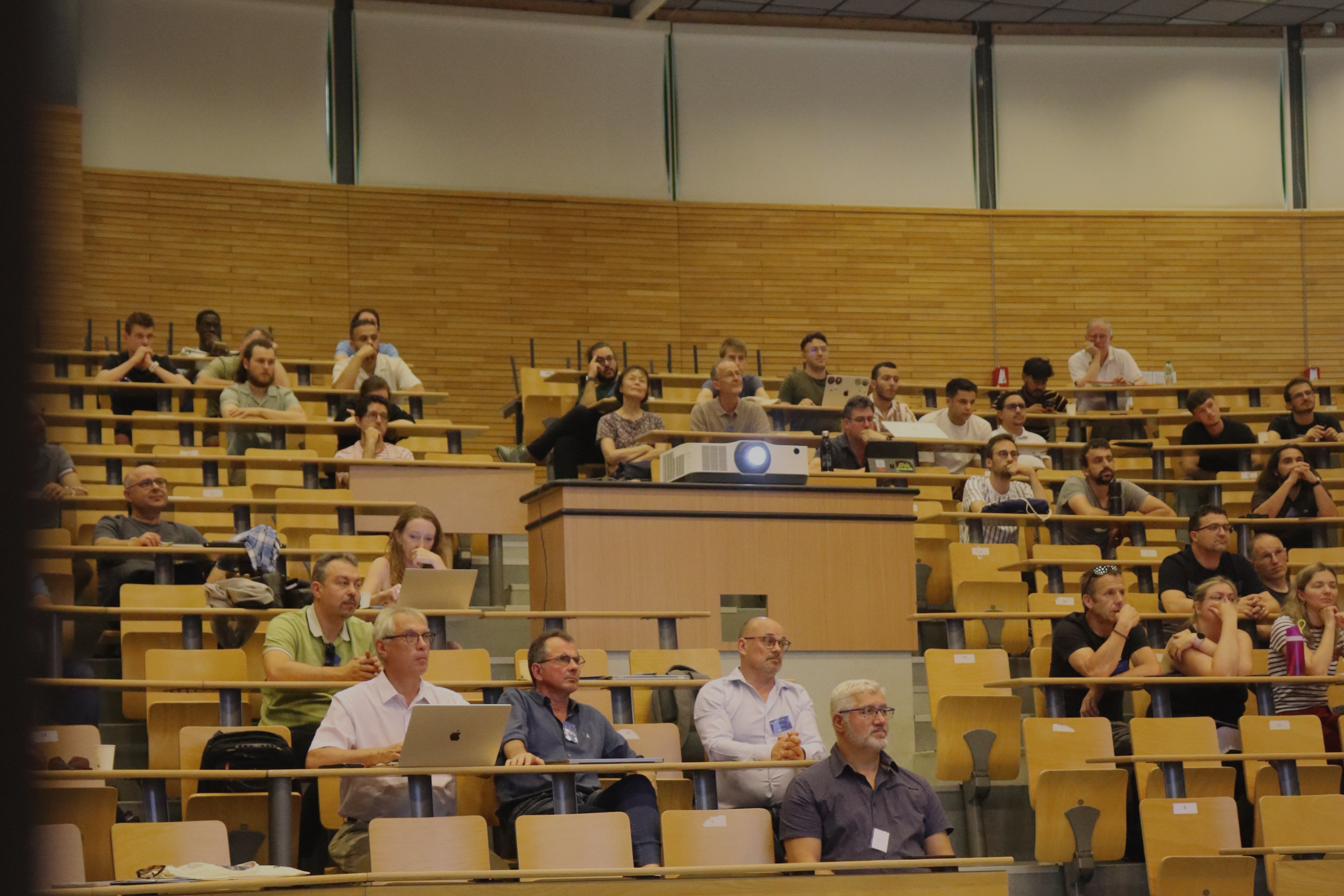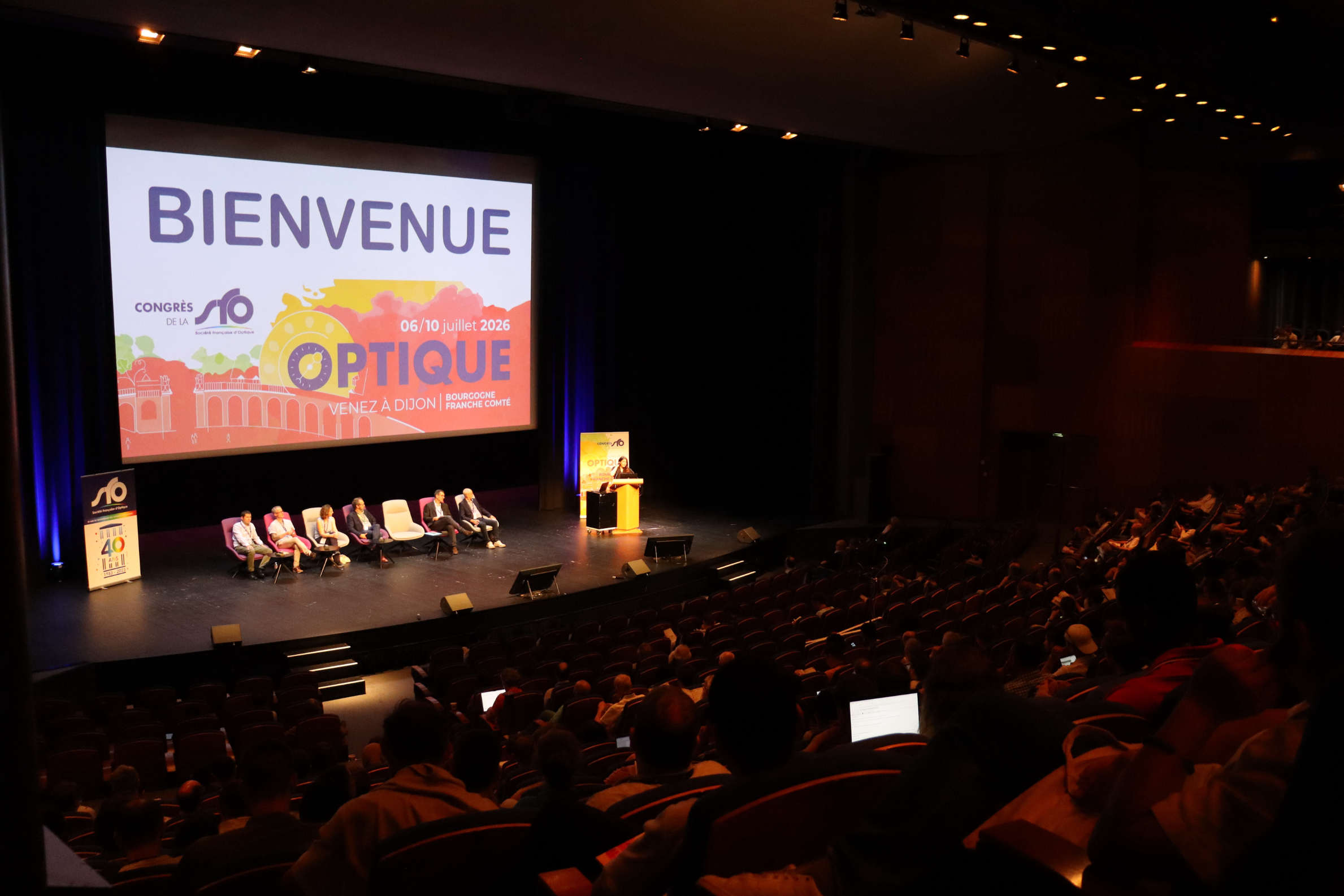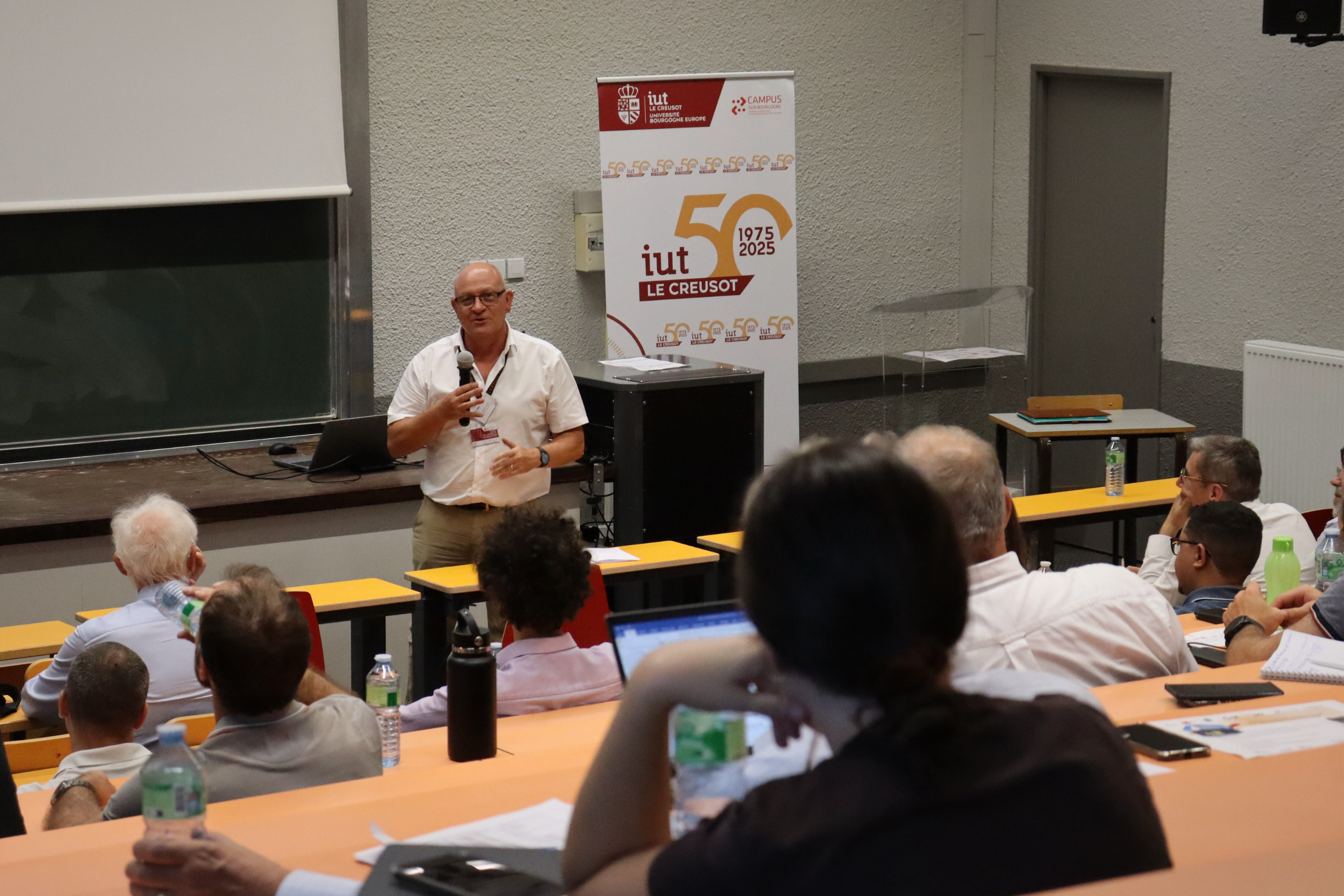

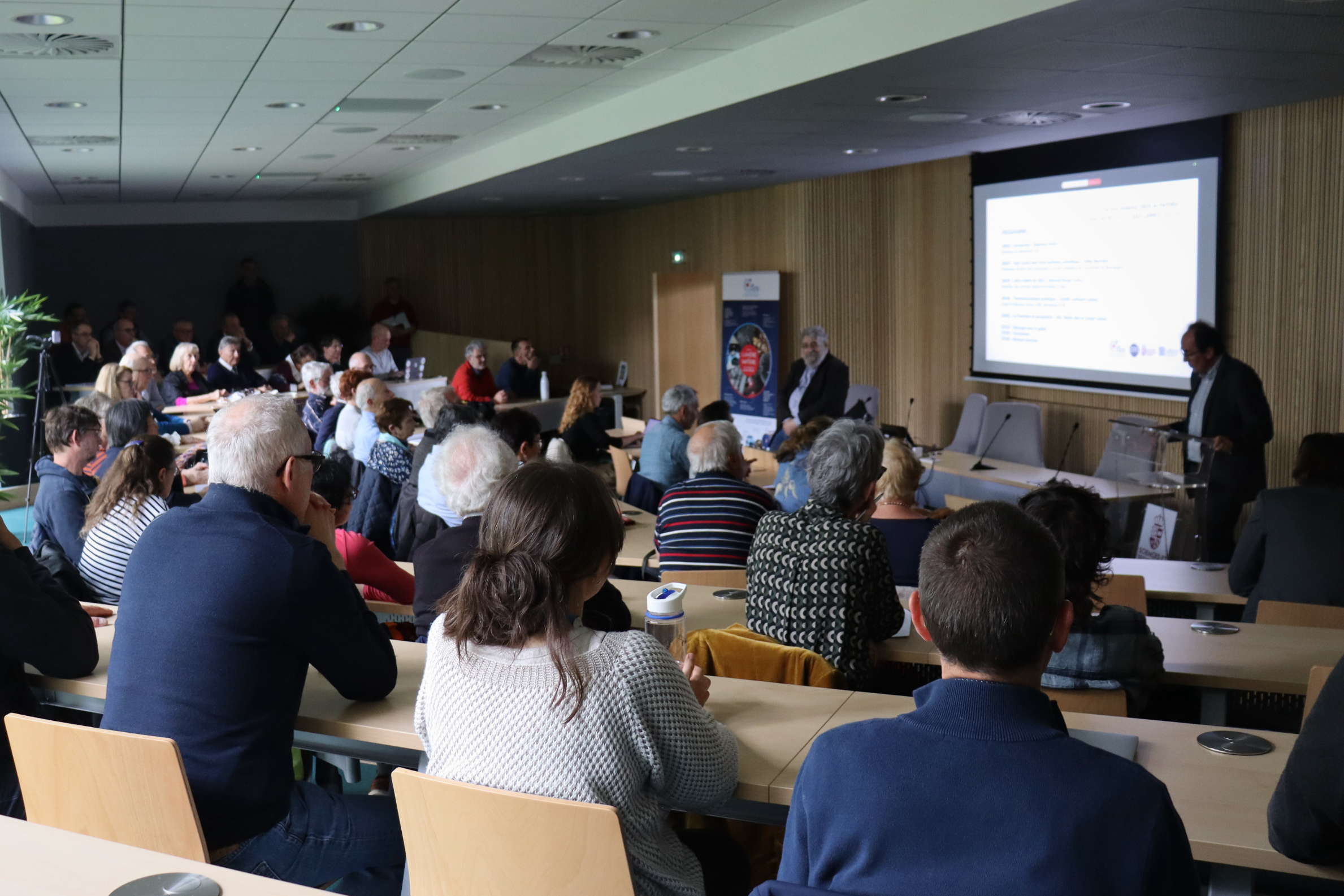
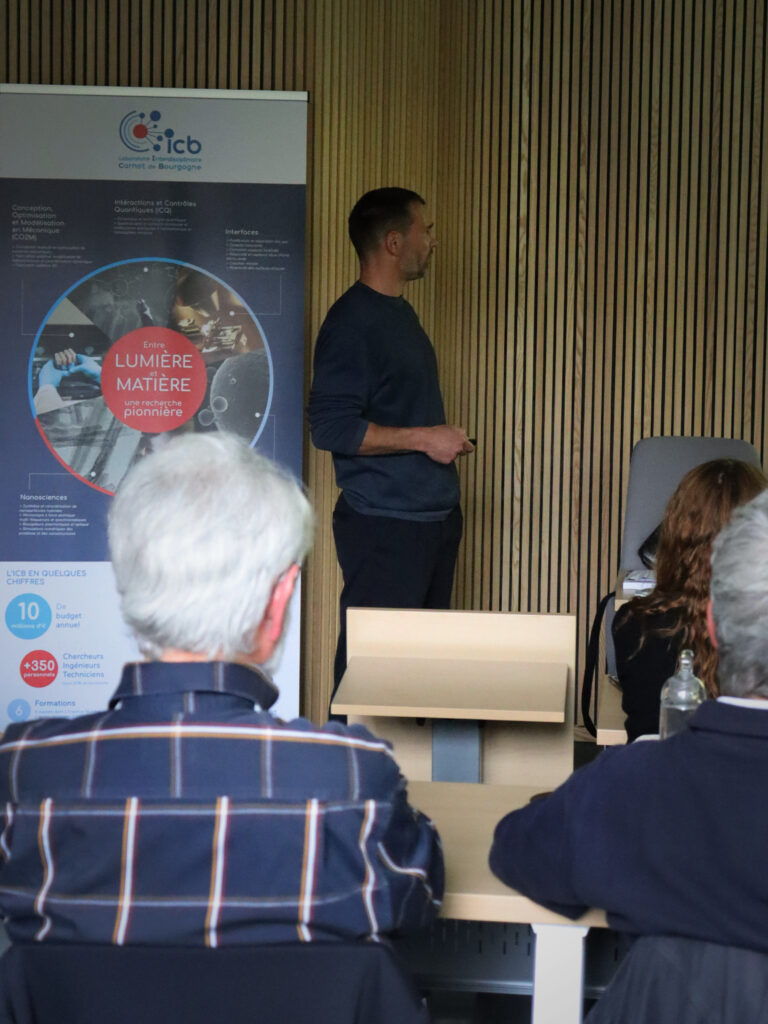
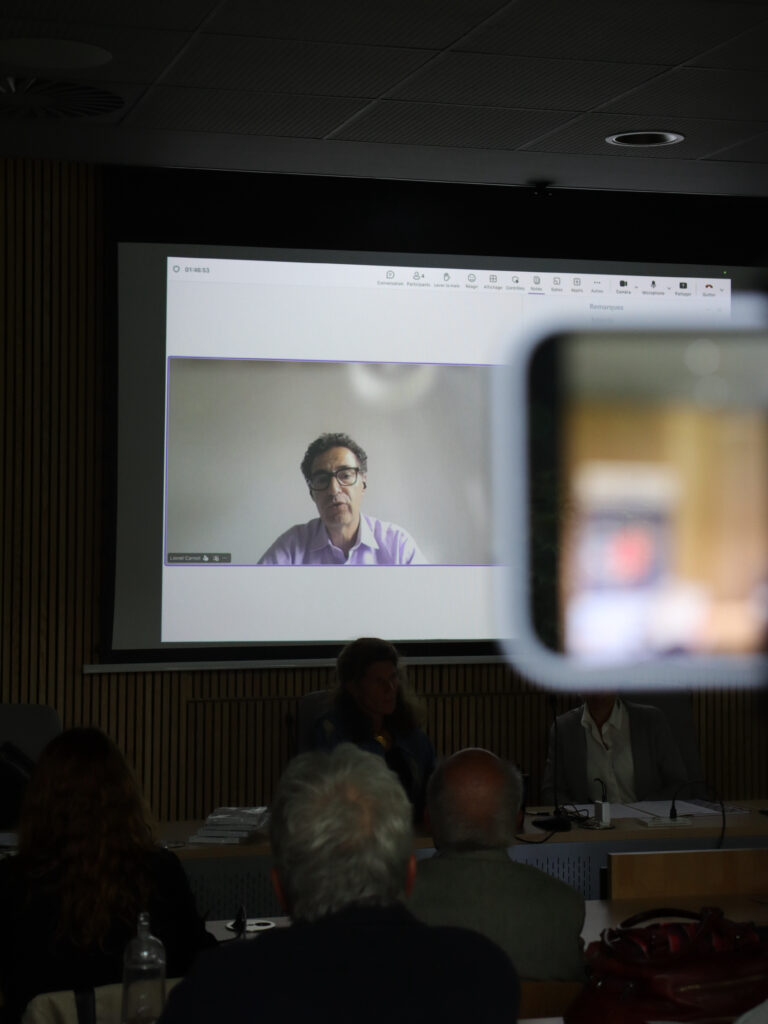
Two centuries after the publication of his Reflections on the Motive Power of Fire (1824), Sadi Carnot continues to inspire scientists, historians, and the general public. At a meeting organized at the University of Burgundy Europe by the ICB laboratory and dedicated to his legacy, researchers, descendants of the Carnot family, and other participants discussed the astonishing relevance of his thought today.
A Foundational Text for Modern Physics
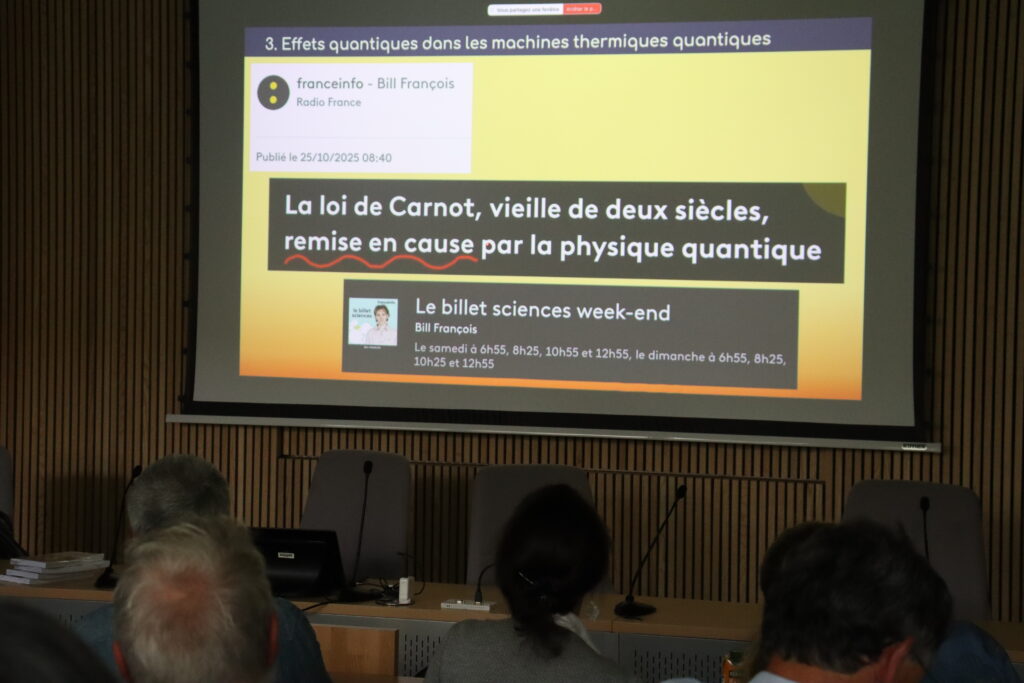
Short but decisive, the text published by Sadi Carnot in 1824 constitutes one of the cornerstones of modern thermodynamics. Two centuries later, his work continues to resonate in very contemporary fields, notably quantum thermodynamics.
Throughout the presentations, several dimensions of his legacy were highlighted:
– his major scientific contribution;
– his connection to Burgundy;
– the remarkable modernity of his thought.




A Scientific Figure… and a Profoundly Human One
A highlight of the meeting was the presence of Alix Carnot and Marie-Alix Carnot.
Both offered a very contemporary interpretation of Sadi Carnot: that of a young scientist who died at only 36 years old, whose life story also resonates with issues now associated with mental health. It was a way of reminding us that behind great scientific figures lie human lives, sensitive and sometimes fragile.
A National Recognition Initiative
This meeting is part of a broader initiative: a nomination for his interment in the Panthéon has been submitted to recognize the major importance of Sadi Carnot’s scientific work in French history. This initiative also carries a strong symbolic dimension: that of seeing Sadi Carnot join his father, Lazare Carnot, and continue the legacy of his nephew, Sadi Carnot, in the Panthéon.



👉🏼 To view the online dossier:
https://lnkd.in/d8WfjSBC
And if you wish, you can also support this initiative.
Bringing Sadi Carnot into the Panthéon also raises a simple question: what place do we give to science, and to those who practice it, in our collective memory today?