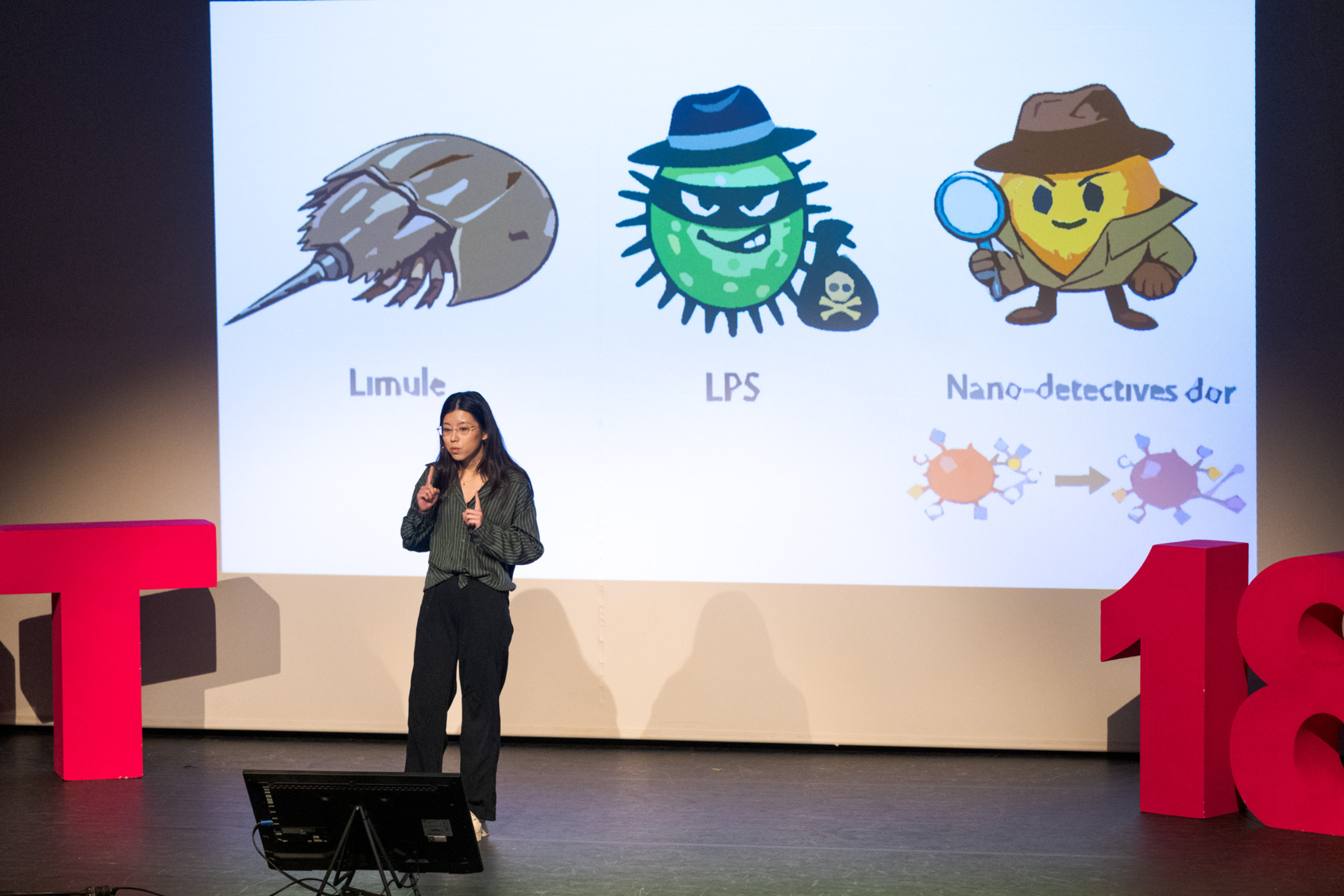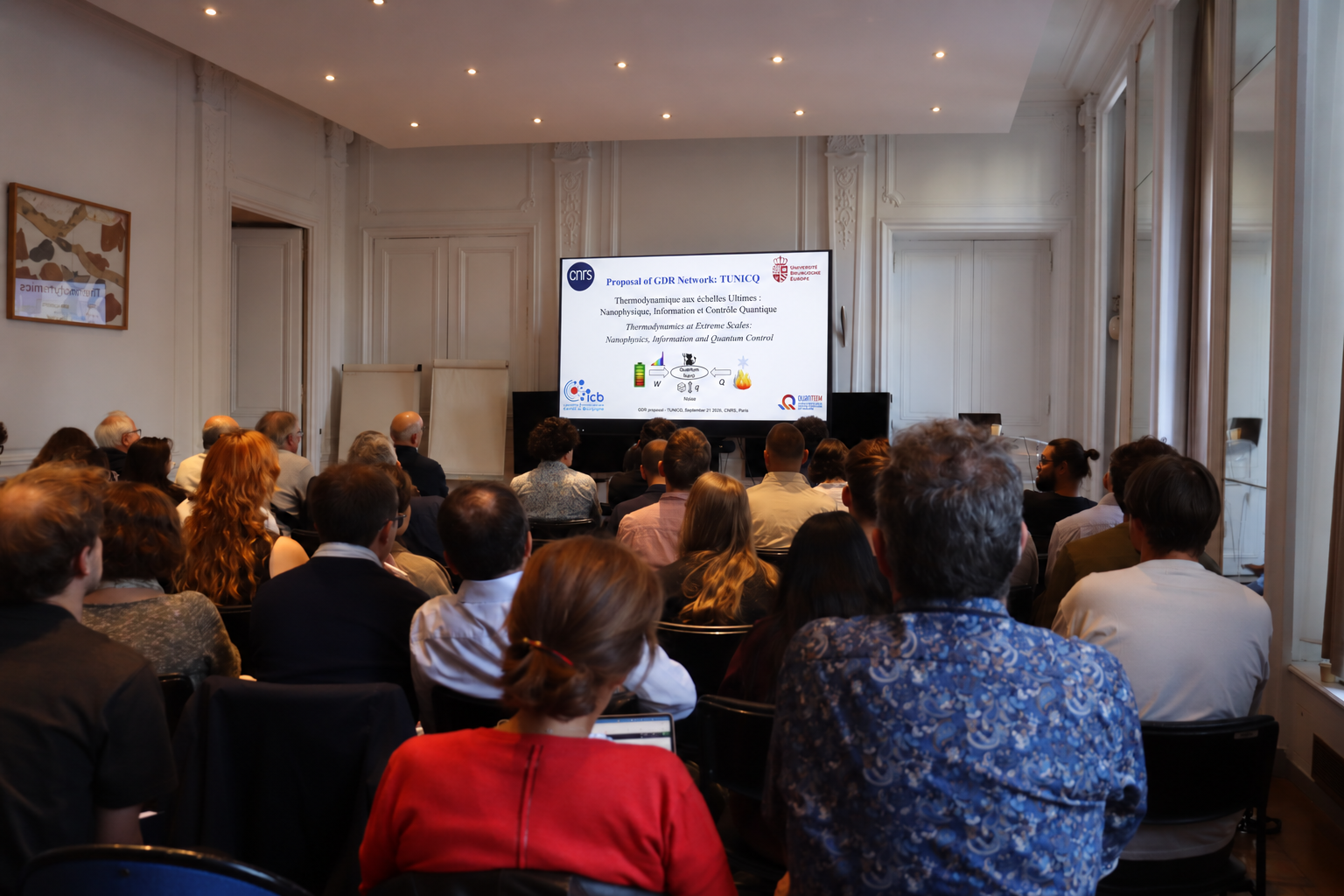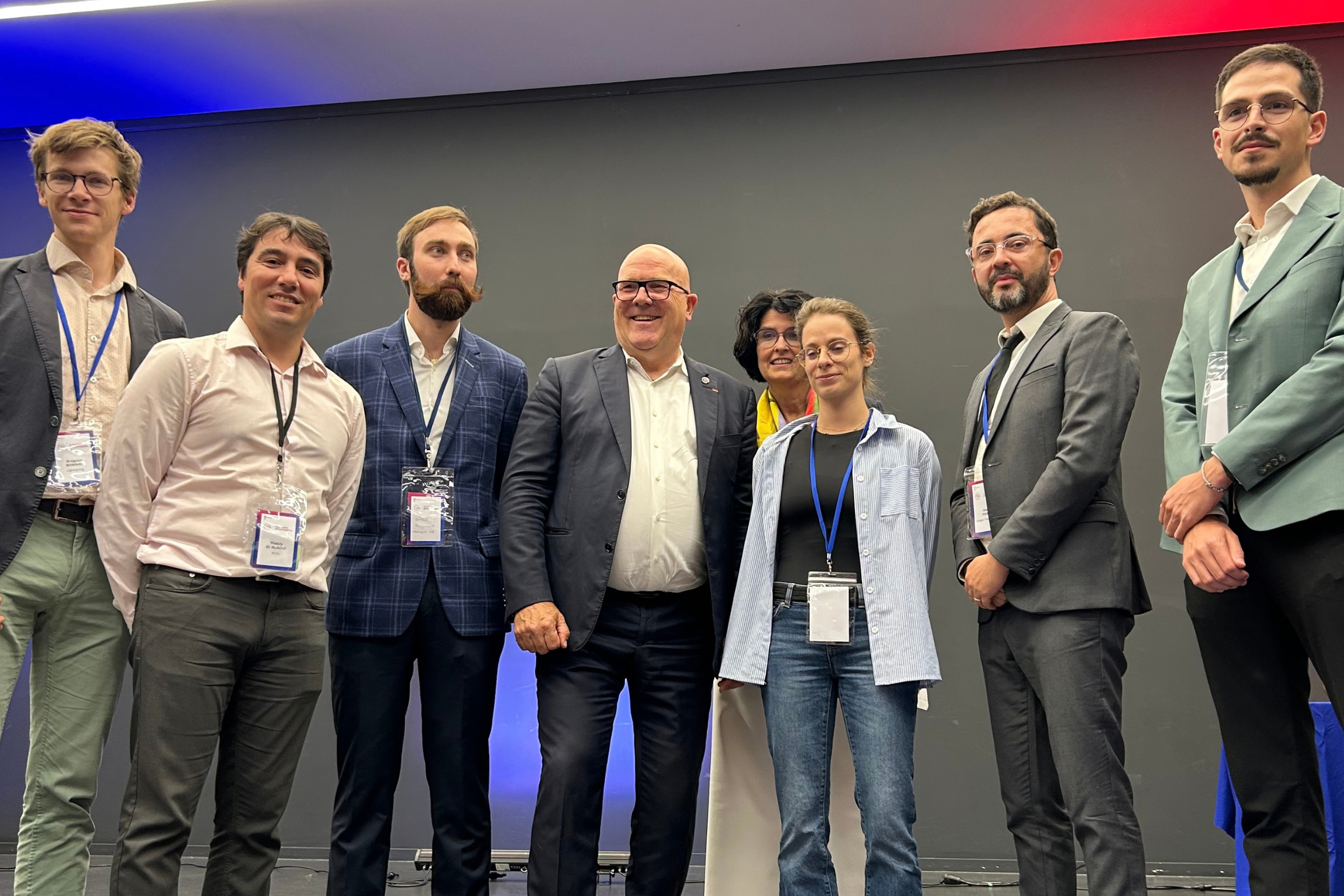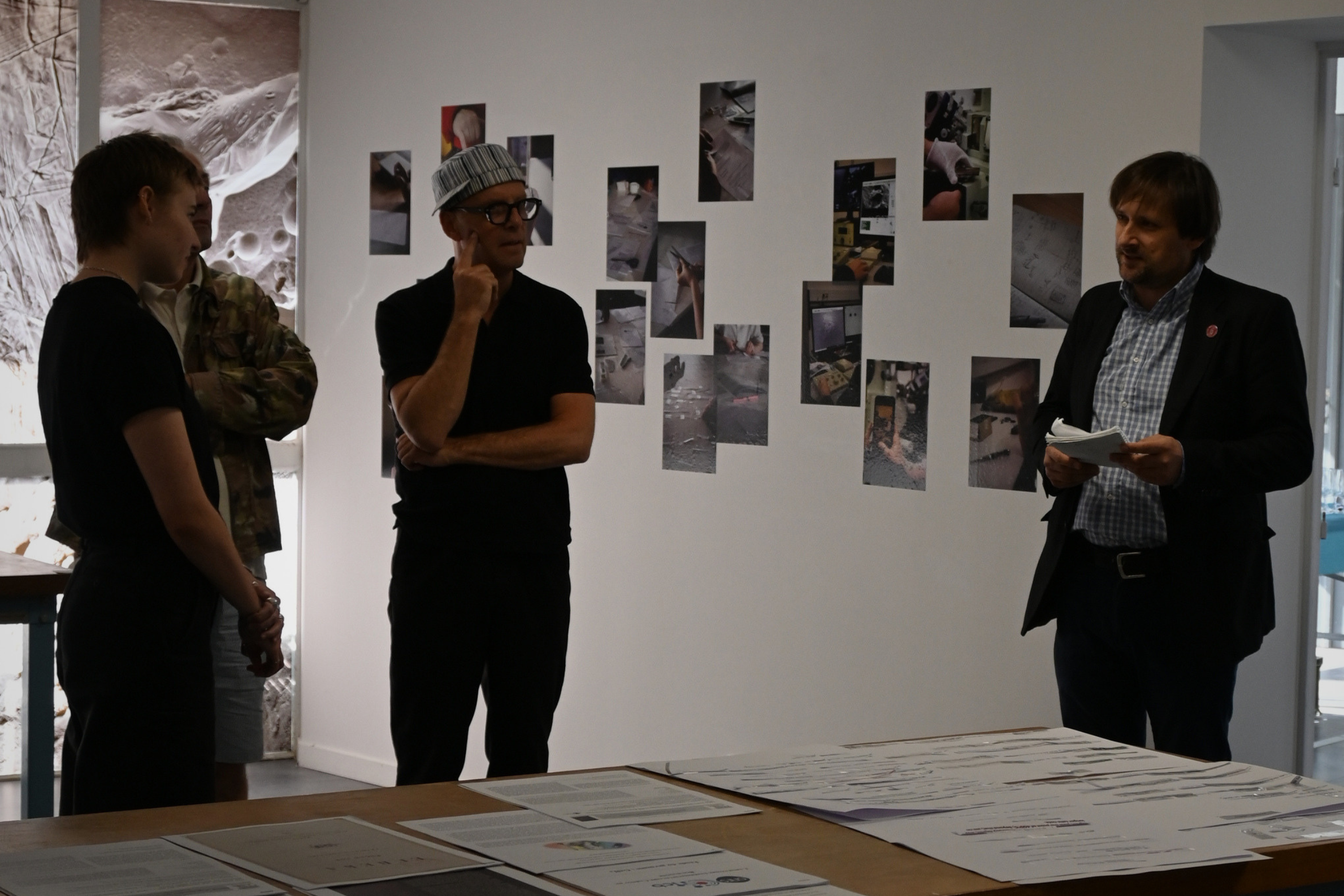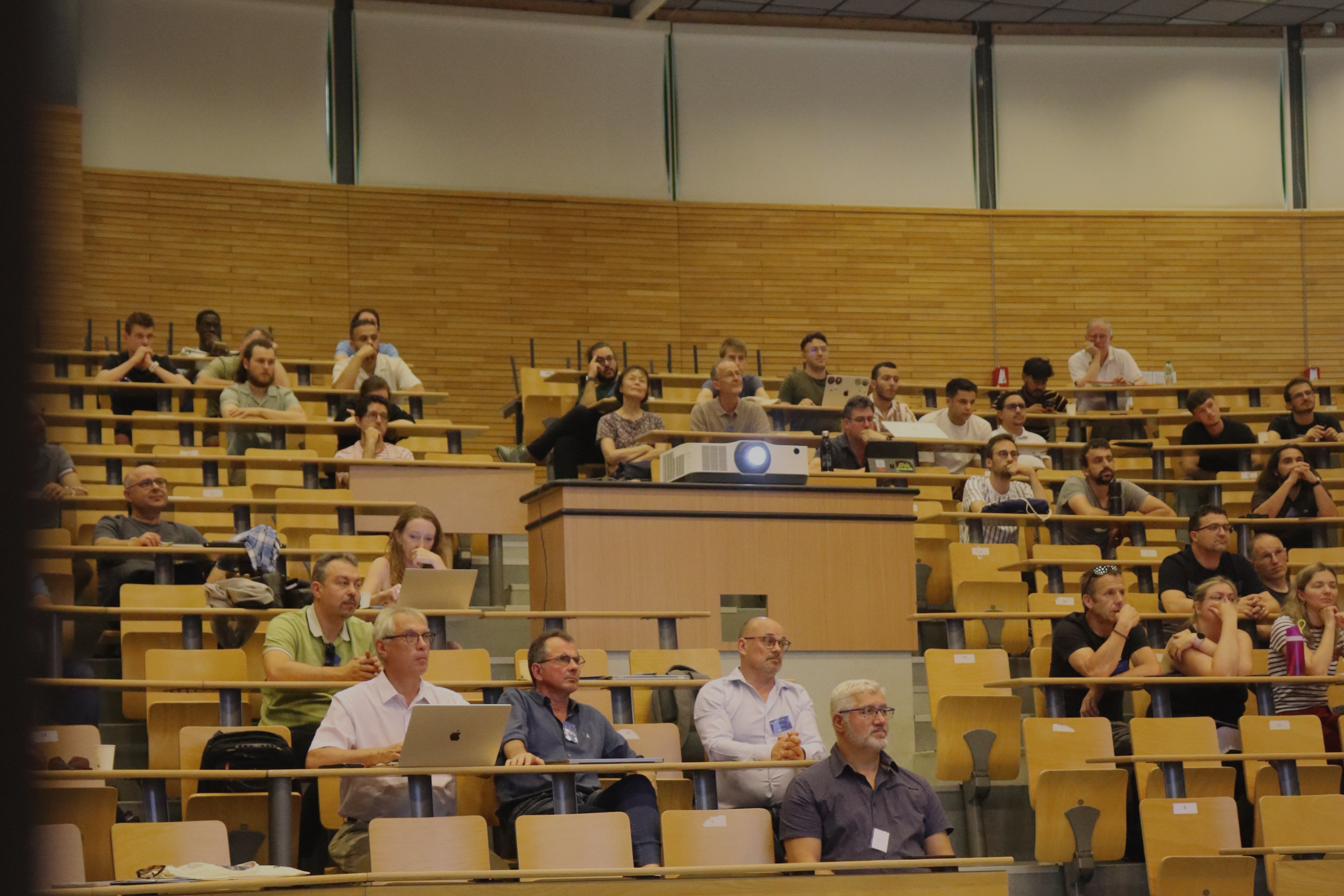

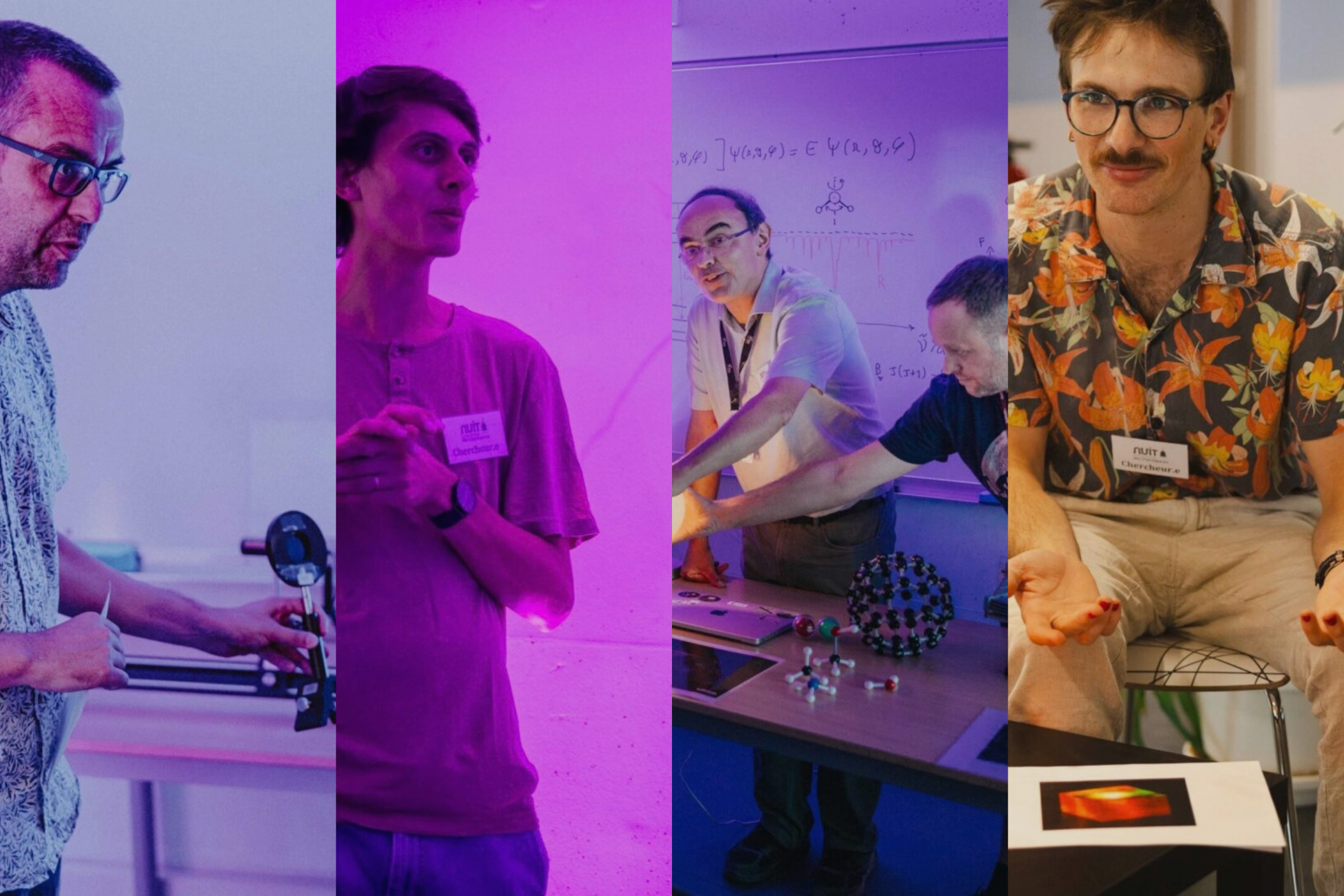
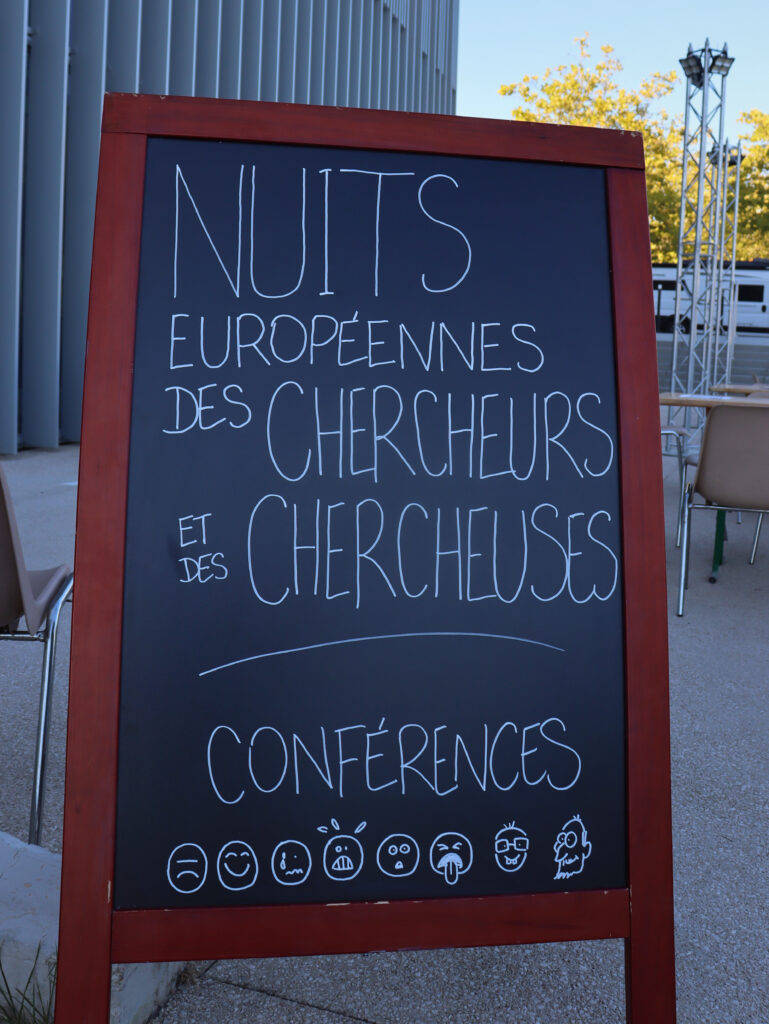
On September 24 and 25, the European Researchers’ Night brought together researchers, students, and the general public at the Multiplex and Polytech Dijon. These two evenings were dedicated to interaction and discovery, with participation from several scientists from the Institut Carnot de Bourgogne (ICB). Through various formats, ICB researchers shared their work, engaged with the audience, and offered a fresh perspective on scientific research.
Surprise encounters: discovering research in a new way
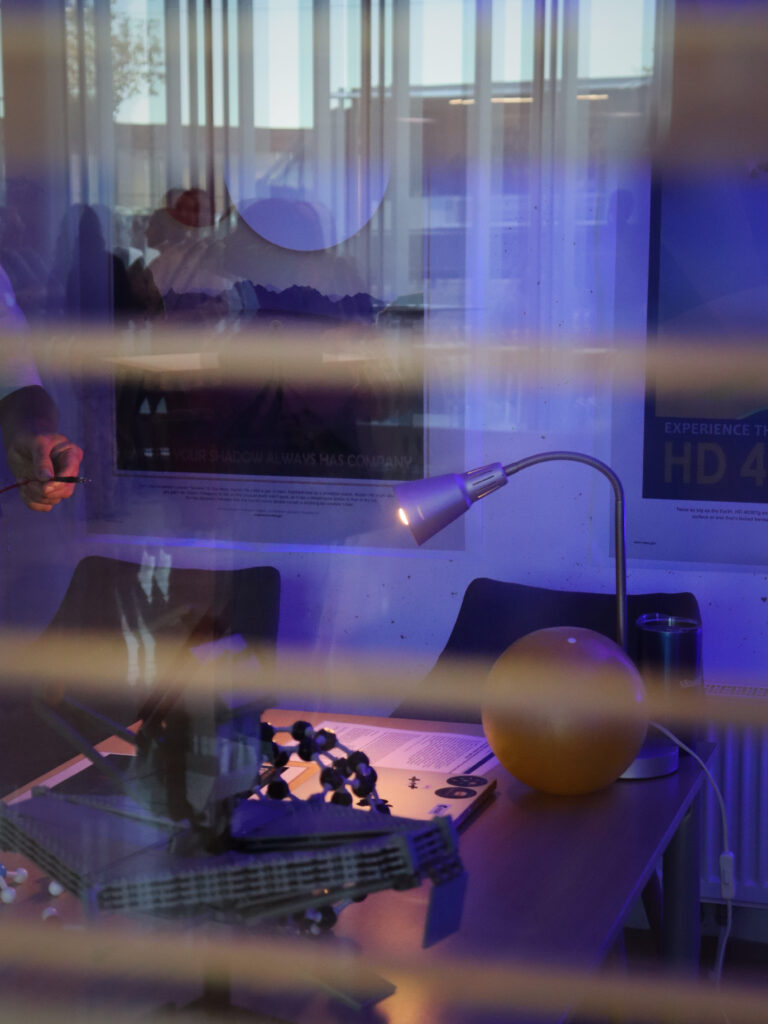
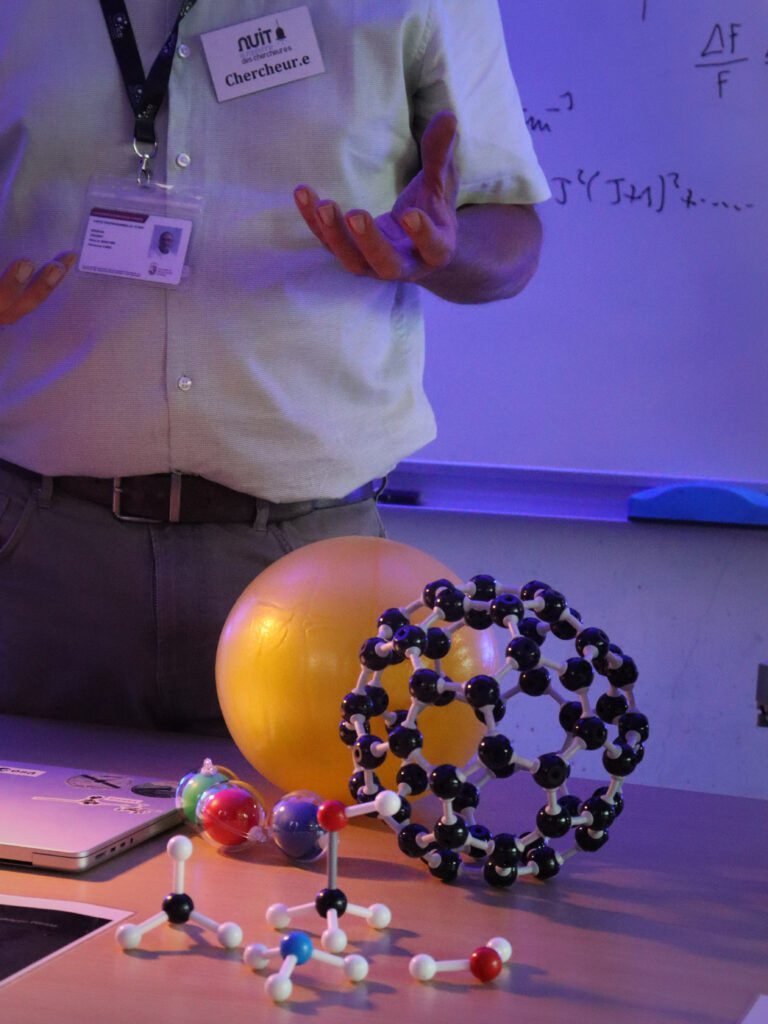
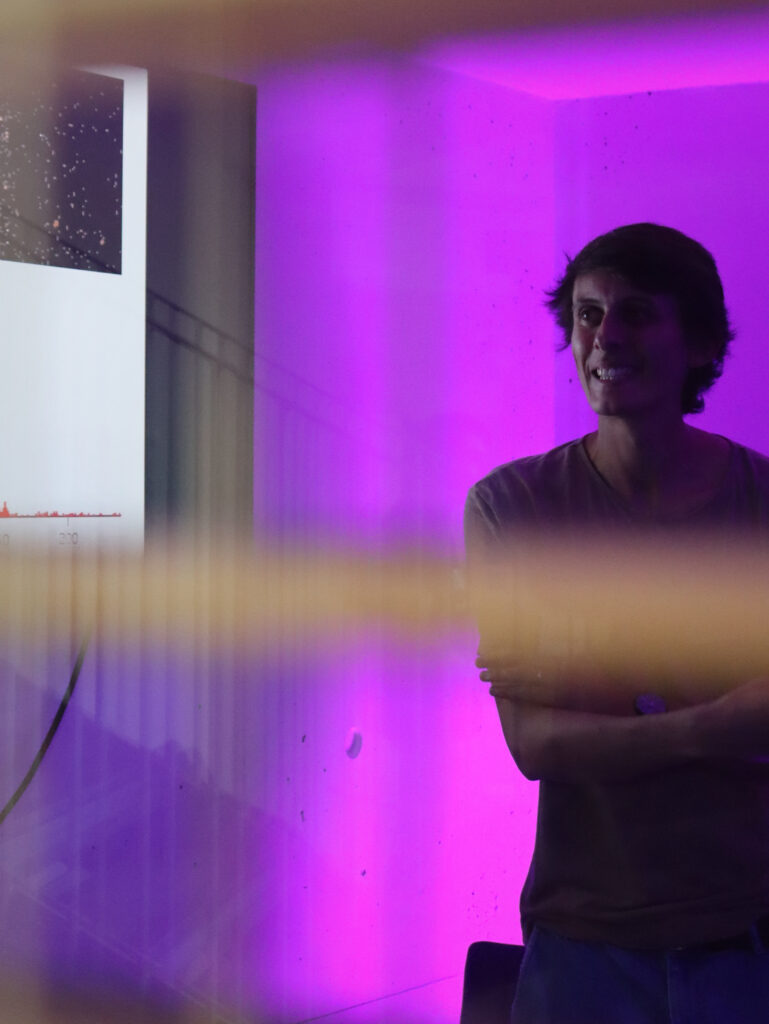
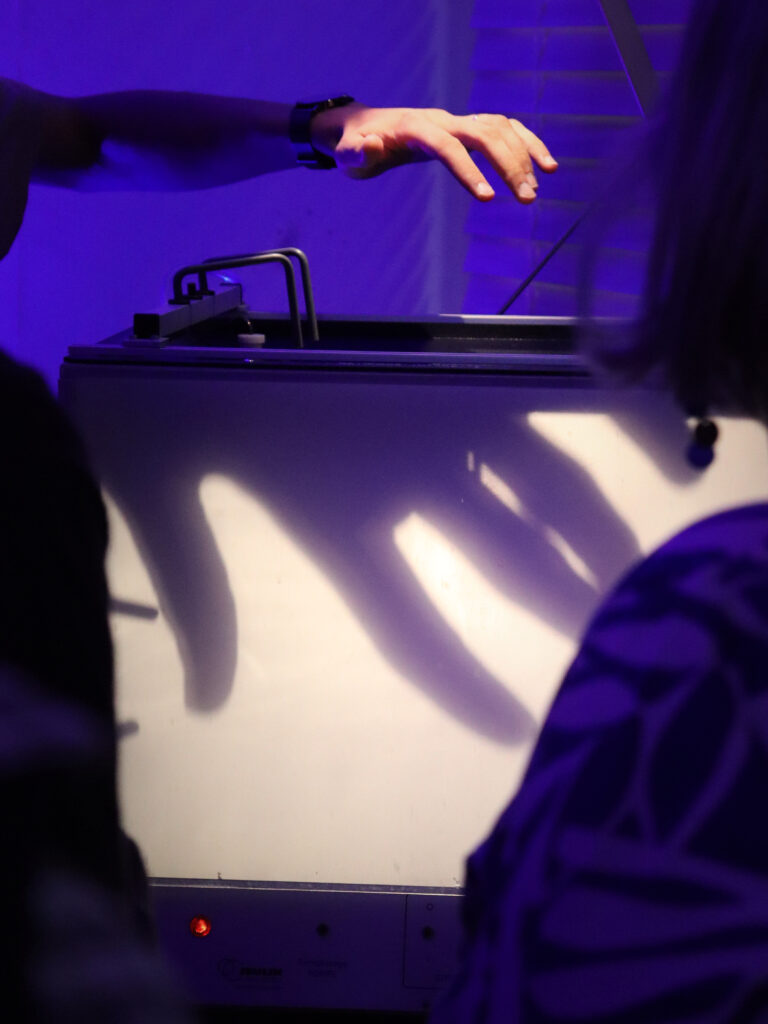
A highlight of these two evenings was the “Surprise Encounters” (Rencontres surprises) series, which allowed the public to meet researchers and explore a variety of topics.
How can a particle behave like a wave? This was one of the questions addressed by Dominique Sugny and Maxime Frédérico during these sessions. Through demonstrations involving interference and Young’s experiment, they showed that these phenomena can also be observed with particles, thereby offering a glimpse into the principles of quantum mechanics. Another topic covered was the observation of exoplanets; Vincent Boudon, Cyril Richard, and Raef Kamel explained to the audience how a planet’s transit in front of its star enables the detection and study of these worlds located beyond our solar system.
Speed-searching: brief, direct interactions
The “speed-searching” sessions offered a particularly dynamic format: a few minutes to present a research topic, followed by time for interaction with the audience. Charles Babin participated in this format to discuss quantum computing, allowing visitors to discover his research topic and engage directly with him.
The “Garden of Emotions” at the Multiplex
At the Multiplex, the ICB also took part in the “Garden of Emotions,” a space dedicated to the emotions that accompany us at every moment.
Hussam Ghanem and Samir Jabbar presented their work on agentic and empathetic artificial intelligence. It was an opportunity to explore a new generation of AI systems capable of interacting with their environment, taking initiative, and better accounting for human and emotional dimensions in their interactions.
These various formats highlighted the diversity of research conducted at the ICB while fostering direct interaction between scientists and the general public. Thank you to the ICB researchers who participated in this edition of European Researchers’ Night, as well as to all the teams who helped bring these two evenings of science and engagement in Dijon to life.